
Last updated September 10, 2026
Full 25-point door and opener safety check with every visit - springs, cables, rollers, tracks, and your LiftMaster or Chamberlain opener included
You get a price before we start. It does not change when the truck arrives.
 Before
 After
After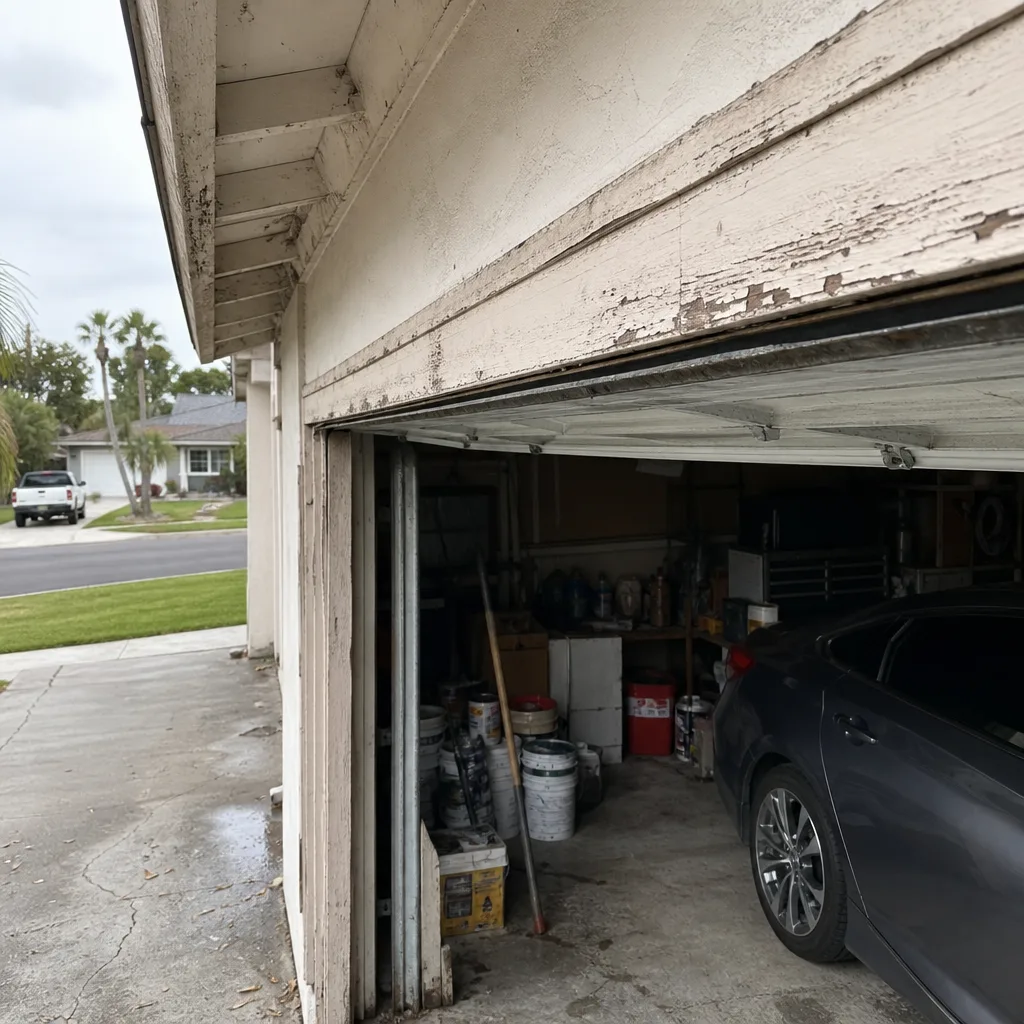 Before
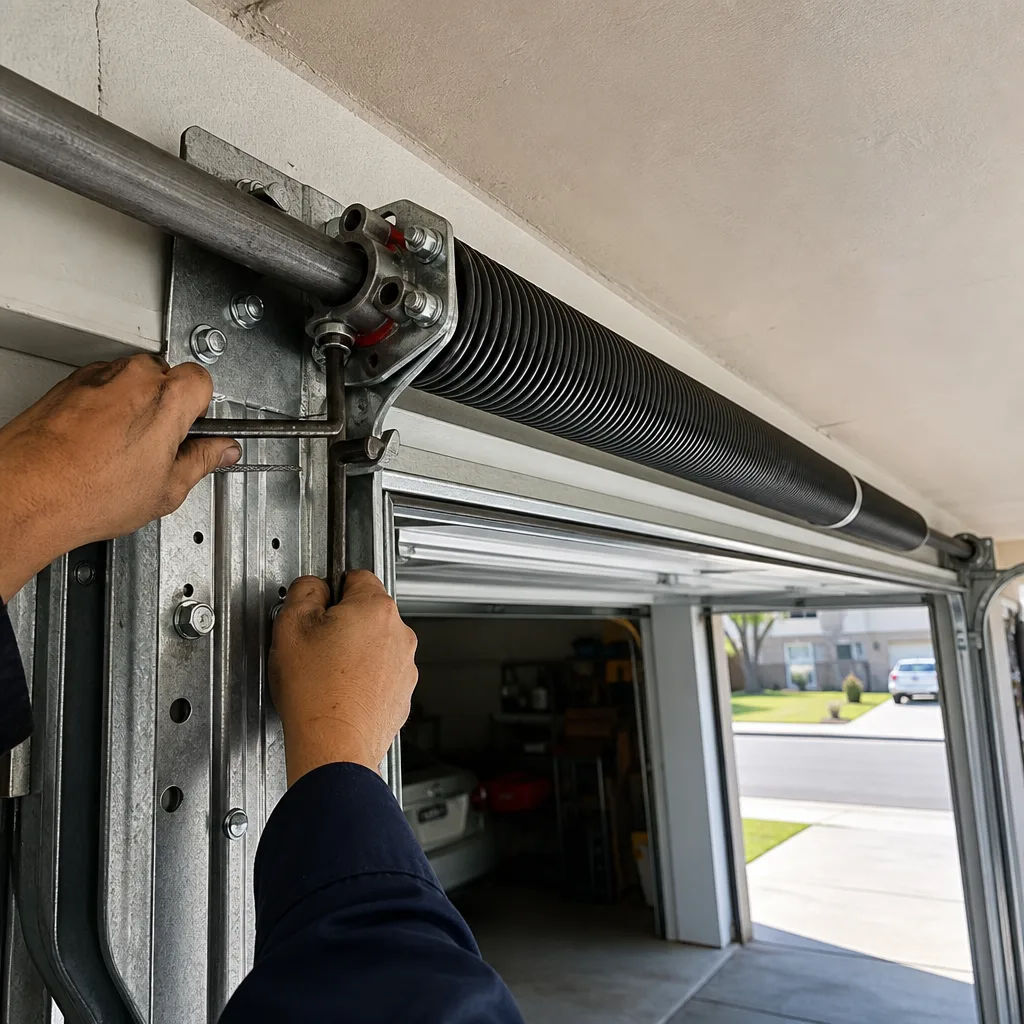 After
After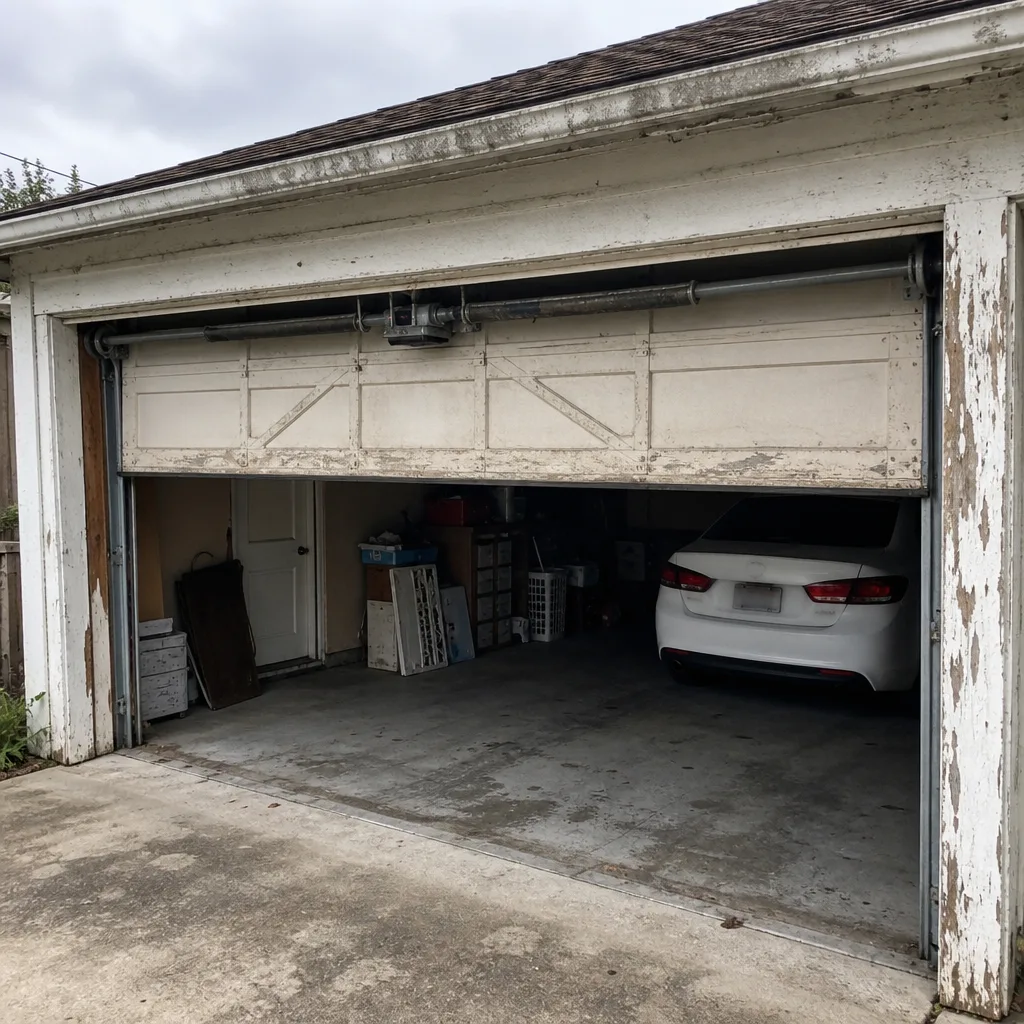 Before
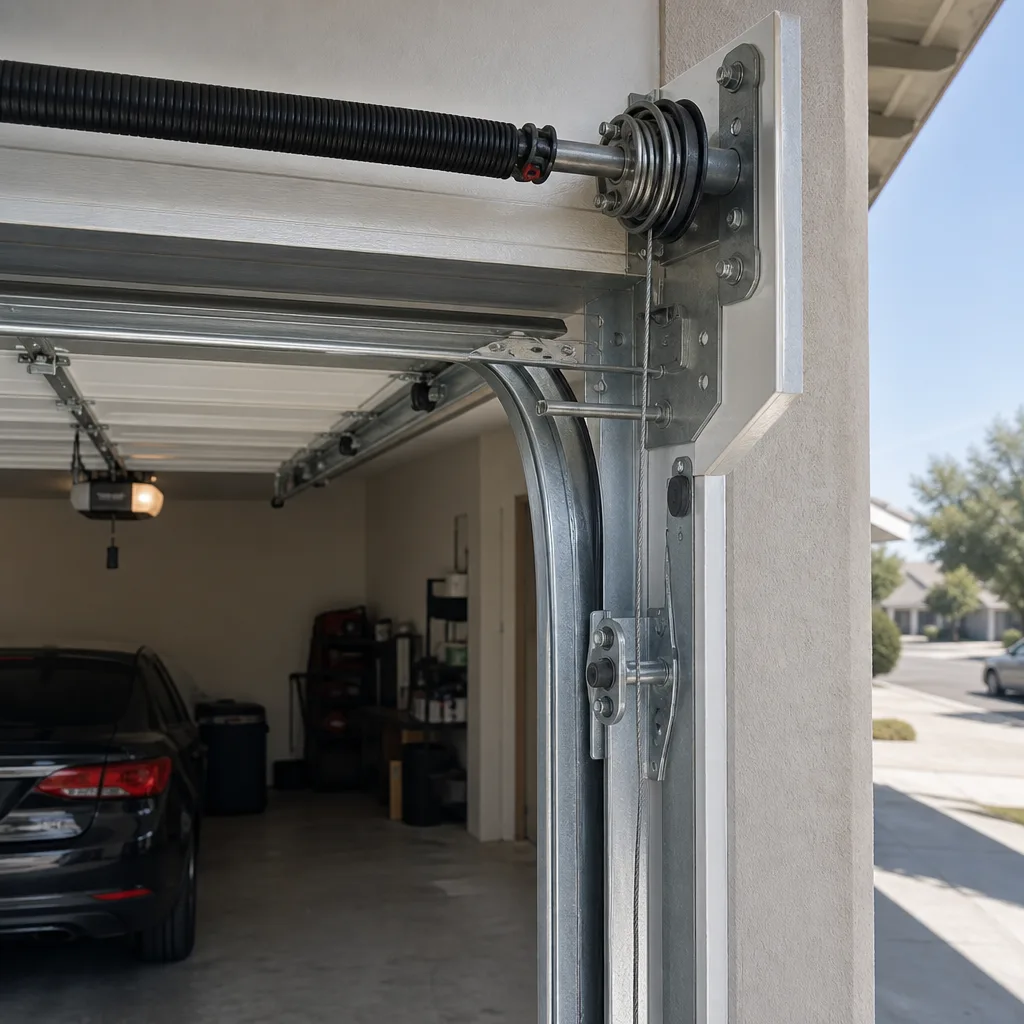 After
AfterGarage Door Repair Maintenance Checklist for Santa Ana Homeowners
A garage door gives about seven warning signals before it fails. Most Santa Ana homeowners notice the eighth one, which is when it stops moving entirely. In our 42 years of service, we’ve found that the majority of emergency calls we handle in neighborhoods like Floral Park, Washington Square, and the Delhi area could have been prevented with a simple, season-appropriate maintenance routine. This guide gives you the exact month-by-month checklist we recommend to our own customers, calibrated specifically for Santa Ana’s dry-season grit accumulation and post-rain humidity spikes. For related reading, see our Garage Door Warning Signs: A Santa Ana Homeowner’s Reference Guide. Follow it, and you’ll catch problems while they’re still small.
Quick Answer
Santa Ana homeowners should perform monthly visual inspections, quarterly lubrication of rollers and hinges with silicone-based spray, and semi-annual balance and safety tests. The most critical maintenance tasks are lubricating the spring coils correctly, testing the auto-reverse feature with a 2×4, and clearing track grit that accumulates during Santa Ana’s dry Santa Ana wind season. Most garage doors in this climate need Garage Door Repair attention once yearly for cable and spring inspection.
Table of Contents
- Why Maintenance Matters in Santa Ana’s Climate
- The Month-by-Month Maintenance Checklist
- Where and How to Lubricate (and What to Leave Alone)
- How to Test Auto-Reverse and Force Settings Correctly
- Visual Inspection Points You Can Safely Check
- Warranty-Voiding Maintenance Mistakes
- Common Mistakes to Avoid
- When to Call a Professional
- Frequently Asked Questions
- The Bottom Line
Why Maintenance Matters in Santa Ana’s Climate
Santa Ana’s climate is harder on garage doors than most homeowners realize. The combination of extended dry periods, seasonal Santa Ana winds carrying fine grit, and sudden humidity spikes after winter rains creates a unique wear pattern. We’ve seen it repeatedly in homes near Santiago Park and throughout the historic districts.
The dry season, which runs roughly April through November, deposits microscopic abrasive particles in roller tracks and hinge pins. These particles act like sandpaper every time the door cycles. A typical Santa Ana garage door opens and closes 3-4 times daily, or about 1,200 cycles annually. Without proper lubrication, that grit turns smooth metal surfaces into scored, high-friction contact points.
The humidity spike after the first significant winter rain is equally damaging. Metal components that have been dry for months suddenly encounter moisture. Rust forms rapidly on unprotected spring coils and cable strands. In our experience, the week following the first fall rain generates a predictable wave of service calls from homeowners who haven’t inspected their hardware since spring.
Temperature swings add another factor. Santa Ana can see 85-degree days in January and 55-degree mornings in July. These fluctuations cause metal expansion and contraction in torsion springs, which alters spring tension gradually. A door that was properly balanced in March may be out of balance by October, placing excess strain on the opener motor.
The cost difference is stark. A $89 seasonal tune-up catches worn rollers, fraying cables, and developing track issues before they cascade into failures. A broken spring replacement, by contrast, typically runs $180-$340 and leaves you with a door that won’t open. The math is straightforward, but only if you know what to look for and when.
The Month-by-Month Maintenance Checklist
This schedule aligns maintenance intensity with Santa Ana’s actual weather patterns, not a generic four-season calendar.
March-April: Post-Winter Recovery
After the rainy season, inspect for rust formation on springs and cables. Check weatherstripping for cracking, which accelerates in dry months ahead. Test door balance: disconnect the opener and lift manually. A properly balanced door stays at any height you place it. If it falls or rises on its own, spring tension needs adjustment.
May-June: Pre-Wind Season Prep
Santa Ana wind season begins. Clean tracks thoroughly with a dry cloth, removing accumulated dust and grit. Lubricate rollers, hinges, and spring coils. Inspect roller bearings for play or noise. Tighten all visible hardware, especially track brackets and hinge screws that loosen from vibration.
July-August: Peak Heat Monitoring
Check opener thermal protection trips, common during heat waves. Listen for opener straining, which indicates balance issues worsened by spring tension changes. Inspect photo-eye alignment, as ground settling from dry soil affects mounting brackets.
September-October: Pre-Rain Transition
Repeat full lubrication before humidity rises. Check bottom seal integrity, water intrusion damages stored items and door bottom panels. Test auto-reverse and force settings comprehensively. Schedule professional inspection if any irregularities appeared during summer.
November-February: Rainy Season Vigilance
Monthly visual checks for rust spots forming on springs and cables. Wipe moisture from tracks after heavy rain. Monitor for unusual noises indicating grit-moisture paste formation in rollers. Never lubricate during active rain, moisture traps inside mechanisms.
Year-Round Monthly Tasks
- Visual scan of cables for fraying or rust spots
- Listen for grinding, squeaking, or clicking during operation
- Confirm photo-eye LEDs are solid, not blinking
- Test wall button and remote response time
- Clear debris from track bottoms
Where and How to Lubricate (and What to Leave Alone)
Proper lubrication is the single most effective maintenance task, and the most commonly botched. We’ve arrived at Santa Ana homes where well-meaning homeowners sprayed WD-40 on everything that moved, including parts that should never see lubricant.
What to Use
Use silicone-based spray lubricant or white lithium grease specifically formulated for garage doors. Avoid WD-40 as a lubricant, it’s a water displacer and solvent that evaporates, leaving metal unprotected. Avoid heavy grease that attracts grit like a magnet.
Where to Lubricate
Rollers: Steel rollers with exposed bearings get a brief spray at each bearing point. Nylon rollers, increasingly common on newer doors, have sealed bearings that never need lubrication. If you have nylon rollers, skip them entirely. We’ve seen homeowners force lubricant past seals, ruining them.
Hinges: Spray at pivot points where hinge sections meet. Wipe excess immediately, pooled lubricant collects grit. Move the door through a full cycle to work lubricant into joints.
Spring coils: This is the critical one. For torsion springs mounted above the door, spray a light coating along the entire coil length while the door is closed and springs are under tension. The lubricant reduces friction between coil windings as they expand and contract. In Santa Ana’s dry climate, springs without lubrication develop micro-friction that accelerates metal fatigue. We’ve replaced springs in the Park Santiago area that failed at 8,000 cycles instead of the expected 15,000, solely from inadequate lubrication.
Lock mechanism: If your door has a manual lock, a brief spray keeps it functional. Most Santa Ana homeowners with automatic openers never use manual locks, but they should still operate freely for emergencies.
What Never to Lubricate
- The track itself: Rollers need traction. Oiled tracks cause slipping, binding, and premature roller wear.
- The opener chain or belt: These have manufacturer-specific lubrication requirements, often none at all. Incorrect product voids warranties on LiftMaster and Chamberlain units.
- The bottom of the door or weatherstripping: Lubricant degrades rubber and vinyl, causing premature cracking.
- Brake components or clutch mechanisms: These rely on friction to function.
How to Test Auto-Reverse and Force Settings Correctly
The auto-reverse feature has been federally mandated since 1993, but most Santa Ana homeowners test only half of it. The photo-eye test is familiar, the force-setting test is skipped, and that’s the one that prevents actual injuries.
Test 1: Photo-Eye Obstruction
Place an object at least 6 inches tall in the door’s path, centered between the photo-eye sensors mounted 4-6 inches above the floor. Close the door using the remote, not the wall button. The door should reverse immediately upon contacting or before contacting the object. If it doesn’t, the photo-eyes need realignment or cleaning.
Clean photo-eye lenses monthly with a soft, dry cloth. Santa Ana’s dust accumulation is significant, we’ve seen sensors completely blinded by a season’s grit buildup.
Test 2: The 2×4 Force-Setting Test (The One Everyone Skips)
This is the critical safety check that validates the opener’s ability to sense resistance. Lay a 2×4 flat on the floor, centered in the door path. Close the door. It should reverse upon contacting the board. If it doesn’t, the force setting is too high and must be adjusted.
On most Craftsman and Raynor openers, force settings are adjusted via screws on the opener housing, clearly labeled. Turn the appropriate screw in quarter-turn increments, testing after each adjustment. The door should reverse with minimal resistance, but not so sensitively that it reverses on normal operation.
Safety note: Torsion springs and cables are under extreme tension and can cause serious injury or death if mishandled. If your door shows any sign of balance problems, spring damage, or cable wear, do not attempt force-setting adjustments yourself. The test requires the door to operate normally, a compromised spring system creates unpredictable behavior. Call a trained professional.
Test 3: Manual Release Function
Pull the red emergency release cord with the door closed. The trolley should disengage smoothly, allowing manual door operation. Re-engage by running the opener until the trolley reconnects. Test this quarterly, a stuck release mechanism traps your door during power outages.
Visual Inspection Points You Can Safely Check
Many developing problems announce themselves visually before they cause failure. These inspections require no tools and no contact with tensioned components.
Cable Condition
Look at the lift cables on each side of the door, running from the bottom bracket to the drum above. Healthy cables show tight, even strands with uniform coloration. Warning signs include: individual strands protruding from the cable bundle (bird-caging), rust discoloration, flat spots where the cable has rubbed against something, or any visible fraying. Even minor fraying indicates a cable approaching failure. A snapped cable releases spring tension violently. If you see any of these signs, stop using the door and call for professional service.
Track Alignment
Stand inside the garage with the door closed. The vertical tracks should be perfectly plumb, with equal spacing from the door edge on both sides. As the door opens, watch the horizontal track section. The door should roll smoothly without binding, rubbing, or visible wobble. Common Santa Ana issues include track brackets loosening from thermal expansion cycles and horizontal tracks sagging from support bracket failure.
Spring Coil Integrity
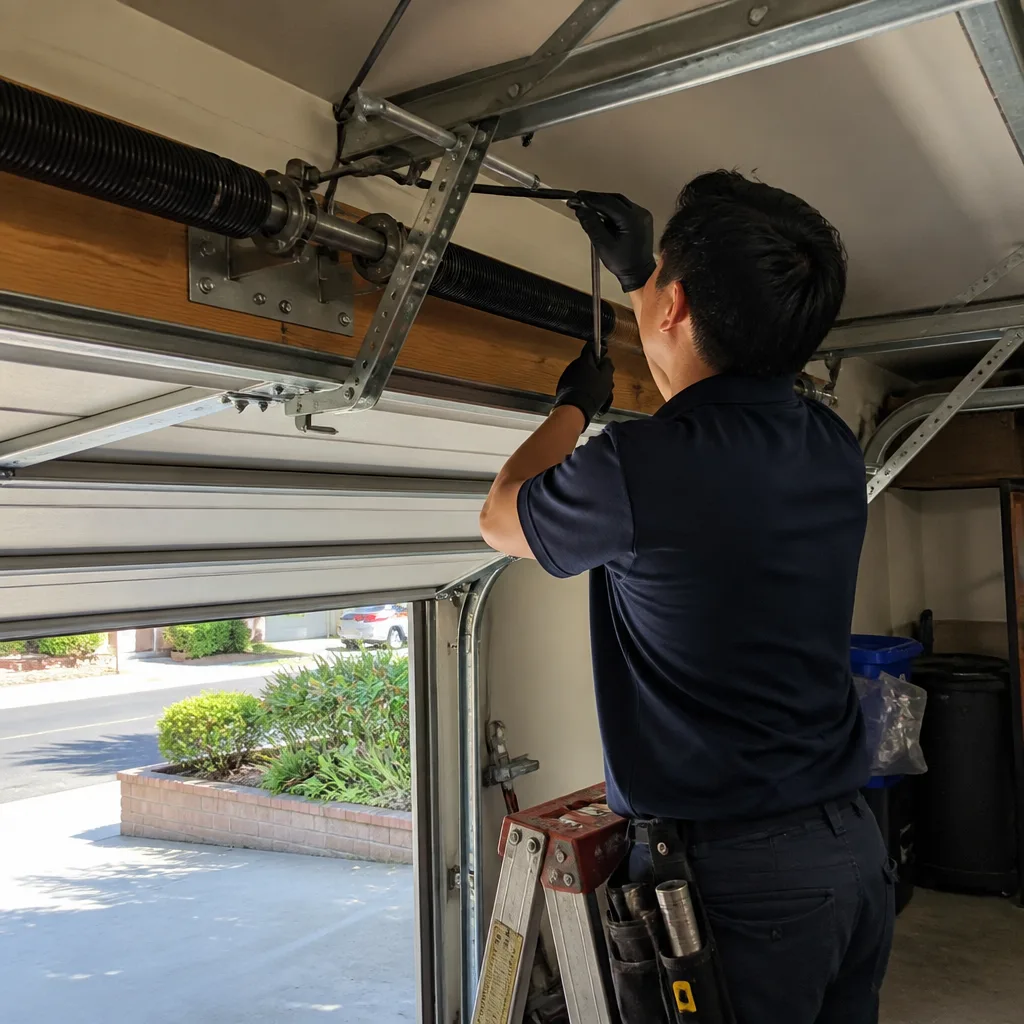
Torsion springs are mounted on a shaft above the door. From a safe distance, look for gaps between coils when the door is closed, indicating a broken spring section that may still be partially functional. Look for rust, paint bubbling from underlying corrosion, or coils that appear stretched unevenly. Never touch or attempt to adjust torsion springs. The energy stored is lethal.
Panel and Hardware Condition
Check door panels for dents, cracks, or delamination, especially on wood doors common in Santa Ana’s historic neighborhoods. Inspect hinge bolts for looseness. Look at roller stems for bending. Check weatherstripping for tears or hardening. These are all safe to observe and note for your technician.
Warranty-Voiding Maintenance Mistakes
Manufacturer warranties on garage doors and openers contain specific maintenance clauses. Violate them, and a $1,200 opener becomes your full expense.
Using Incorrect Lubricants
LiftMaster and Chamberlain specifically prohibit petroleum-based lubricants on their opener chains and belts. These products degrade modern polymer components. Genie warranties exclude damage from silicone spray applied to certain internal mechanisms. Always check your owner’s manual for the specific product recommendation. If you’ve lost the manual, most manufacturers publish them online by model number.
DIY Spring or Cable Work
Every major door manufacturer, including Clopay, Amarr, and Wayne Dalton, voids warranties if untrained persons perform spring or cable repairs. This is not a technicality, it’s a safety recognition. Improper spring installation causes door drop, track separation, and personal injury. Warranty claims require documentation of professional service for these components.
Using Non-Factory Parts
Installing generic replacement rollers, hinges, or cables on a branded door often voids the panel warranty. Manufacturers engineer systems as integrated units. A heavy steel roller in a door designed for nylon changes load distribution and stress points.
Ignoring Scheduled Professional Service
Some extended warranties, particularly on high-end Raynor and Clopay doors, require annual professional inspection documentation. Skip it, and a valid claim gets denied. Keep service records from any garage door repair in Santa Ana you authorize.
Common Mistakes to Avoid
- Pressure-washing the door and components. Santa Ana homeowners often include garage doors in exterior cleaning. Water forced into roller bearings, opener housings, and electrical components causes immediate and lasting damage. Use a damp cloth on panels only.
- Ignoring seasonal noise changes. A door that squeaks in October but was quiet in June isn’t “settling in.” The noise indicates metal-on-metal contact from depleted lubrication or developing mechanical wear. Address it promptly.
- Testing auto-reverse with hands or feet. Never use body parts to test safety features. The 2×4 method is the safe, standard protocol. We’ve treated injuries from homeowners who trusted a 25-year-old opener’s responsiveness.
- Applying lubricant during Santa Ana wind events. Spray lubricant during high winds and you coat the door surface, floor, and possibly your vehicle with overspray. The grit then adheres to everything. Choose calm mornings.
- Tightening track bolts without checking alignment. A loose bolt is often loose because the bracket shifted. Simply tightening it locks in misalignment. Loosen adjacent brackets, align properly, then tighten in sequence.
- Assuming a quiet door is a healthy door. Some failures are silent until catastrophic. A spring with a stress fracture may operate normally until it separates completely. Visual inspection catches what listening misses.
- Using the garage door as the home’s primary entrance. Santa Ana homes with converted garages or heavy family traffic often see 6-8 daily cycles. This accelerates wear proportionally. Consider a pedestrian door installation for high-traffic homes.
When to Call a Professional
Some maintenance tasks belong to trained technicians with the proper tools and safety training. Call a professional when you observe cable fraying or rust, spring gaps or coil damage, door imbalance that doesn’t resolve with basic adjustment, opener motor straining or overheating, track misalignment beyond minor bracket adjustment, or any damage from vehicle impact. Mainspring Garage Door Co. offers free estimates in Santa Ana, call (562) 245-4879. Our technicians arrive with springs, cables, and openers on the truck, so most jobs finish in a single visit. We state the flat price before any work begins, and every job carries our 90-Day Done Right Promise in writing.
Frequently Asked Questions
Quarterly lubrication is ideal for Santa Ana’s climate, with an additional application before the first fall rain if your last service was in summer. The dry Santa Ana wind season accelerates lubricant breakdown, so May and September applications are particularly important. Call (562) 245-4879 if you’re unsure whether your door is due, estimates are free.
Yes, for visual inspections, lubrication of designated points, and safety testing. No, for any work involving springs, cables, or opener internal mechanisms, these components store lethal energy and require specialized training. We’ve responded to emergencies in the Lacy neighborhood and elsewhere from DIY attempts that went wrong. When in doubt, call us.
Professional seasonal tune-ups typically run $89-$150 in the Santa Ana market. Mainspring’s Garage Door Repair in Santa Ana includes a $89 Seasonal Tune-Up that covers full inspection, proper lubrication, safety testing, and minor adjustments. We quote the exact price before starting, with no surprises on the bill.
Standard torsion springs are rated for 10,000 cycles, which translates to 7-10 years for typical use. Santa Ana’s dry climate and temperature swings can reduce this to 6-8 years without proper lubrication. We’ve replaced springs in the Centennial Park area that failed at 5 years from neglect, and others in West Floral Park that lasted 12 years with faithful maintenance.
Routine homeowner maintenance, proper lubrication, and safety testing do not void warranties. Using incorrect products, performing unauthorized repairs on springs or cables, or installing non-factory parts does. Keep records of any professional service for warranty claims.
Our technicians are factory-familiar with all major brands including LiftMaster, Chamberlain, Genie, Clopay, Amarr, Wayne Dalton, Craftsman, and Raynor. We stock common parts for these brands on every truck, which is why most Garage Door Opener in Santa Ana repairs and other jobs finish in one visit.
The Bottom Line
Garage door maintenance in Santa Ana is not a generic checklist, it’s a climate-specific practice that accounts for dry-season grit, sudden humidity spikes, and temperature swings unique to this area. The homeowners who avoid emergency calls are the ones who perform monthly visual checks, lubricate correctly before wind season and before rains, test both photo-eyes and force settings, and know which tasks are theirs and which belong to a trained technician. A small investment of time, or a $89 professional tune-up, prevents the inconvenience and cost of a door that won’t open when you need to leave for work. We’ve been serving Santa Ana since 1984, and we’ve learned that the doors that last are the doors that are watched. Explore more guides & resources on our blog.
Ready to have your garage door inspected by a team that stands behind every job? Call Mainspring Garage Door Co. at (562) 245-4879 for a free estimate. Our live person answers 24/7, including nights, weekends, and holidays. We offer $50 off any repair over $250, a free second opinion on any written estimate, and a permanent 5% discount for seniors and veterans.
Written by Carl Dutton, Owner at Mainspring Garage Door Co., serving Santa Ana since 2016.