
Last updated September 10, 2026
Full 25-point door and opener safety check with every visit - springs, cables, rollers, tracks, and your LiftMaster or Chamberlain opener included
You get a price before we start. It does not change when the truck arrives.
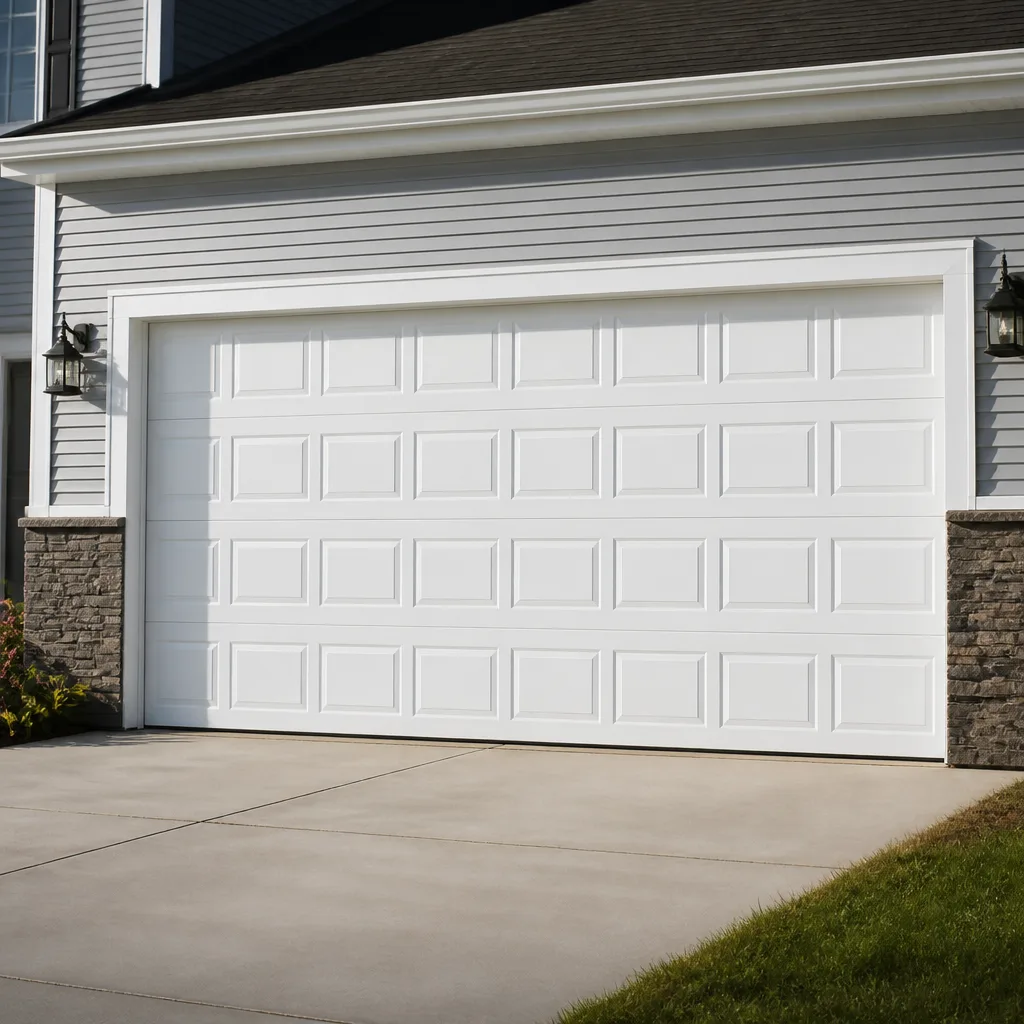
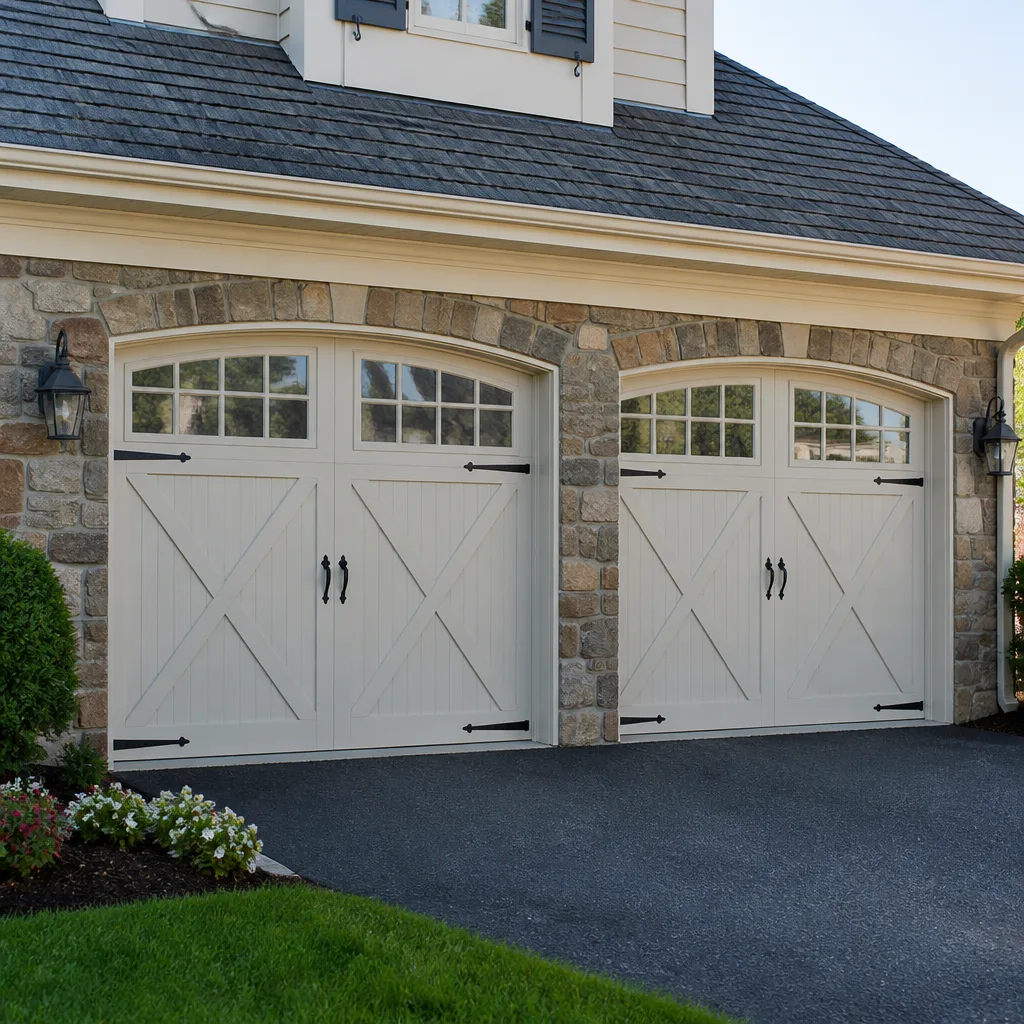
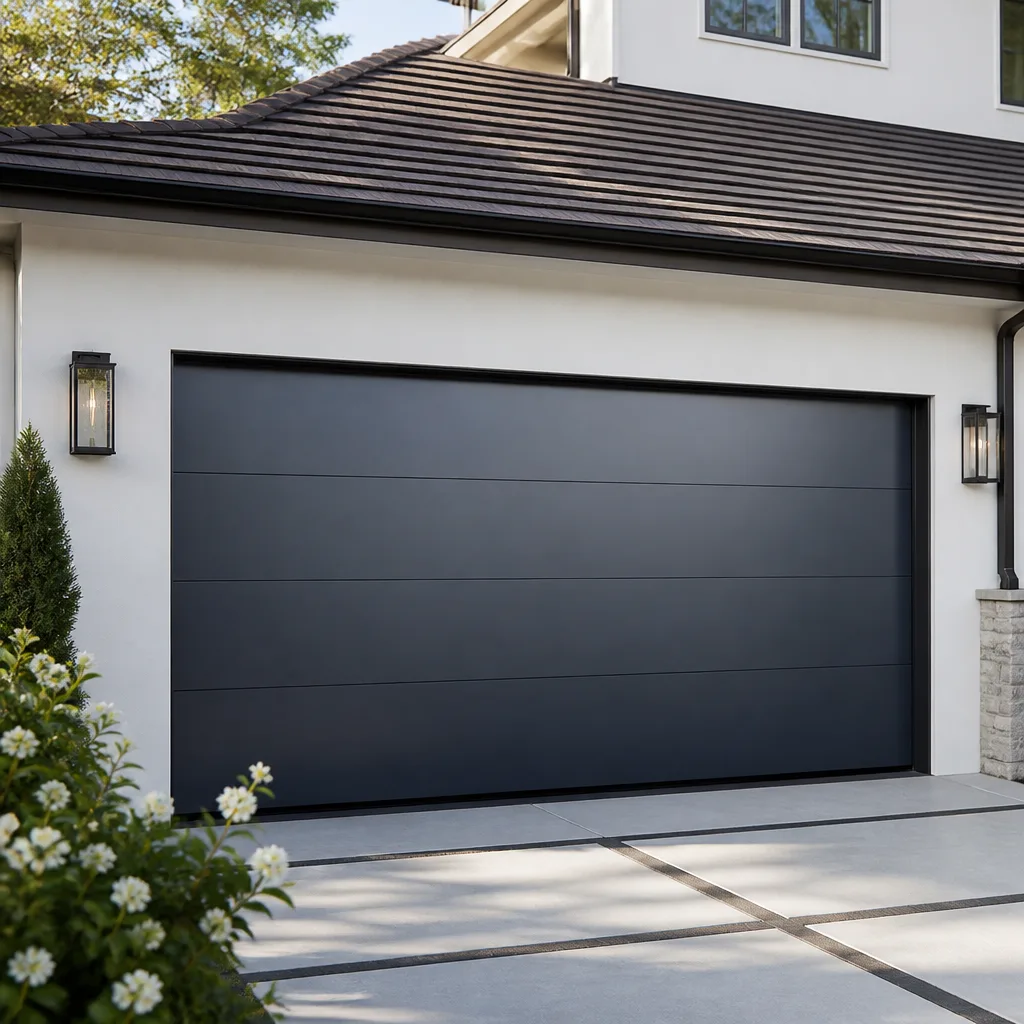
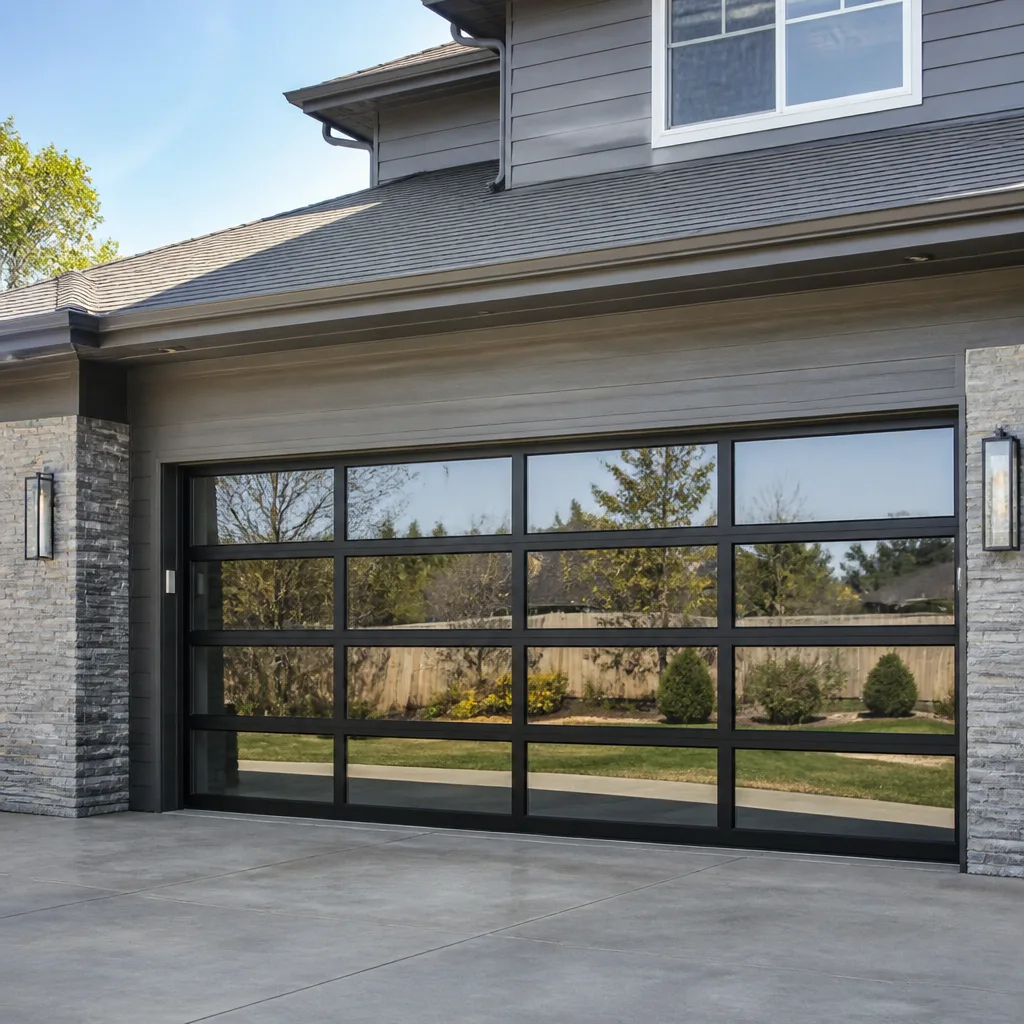
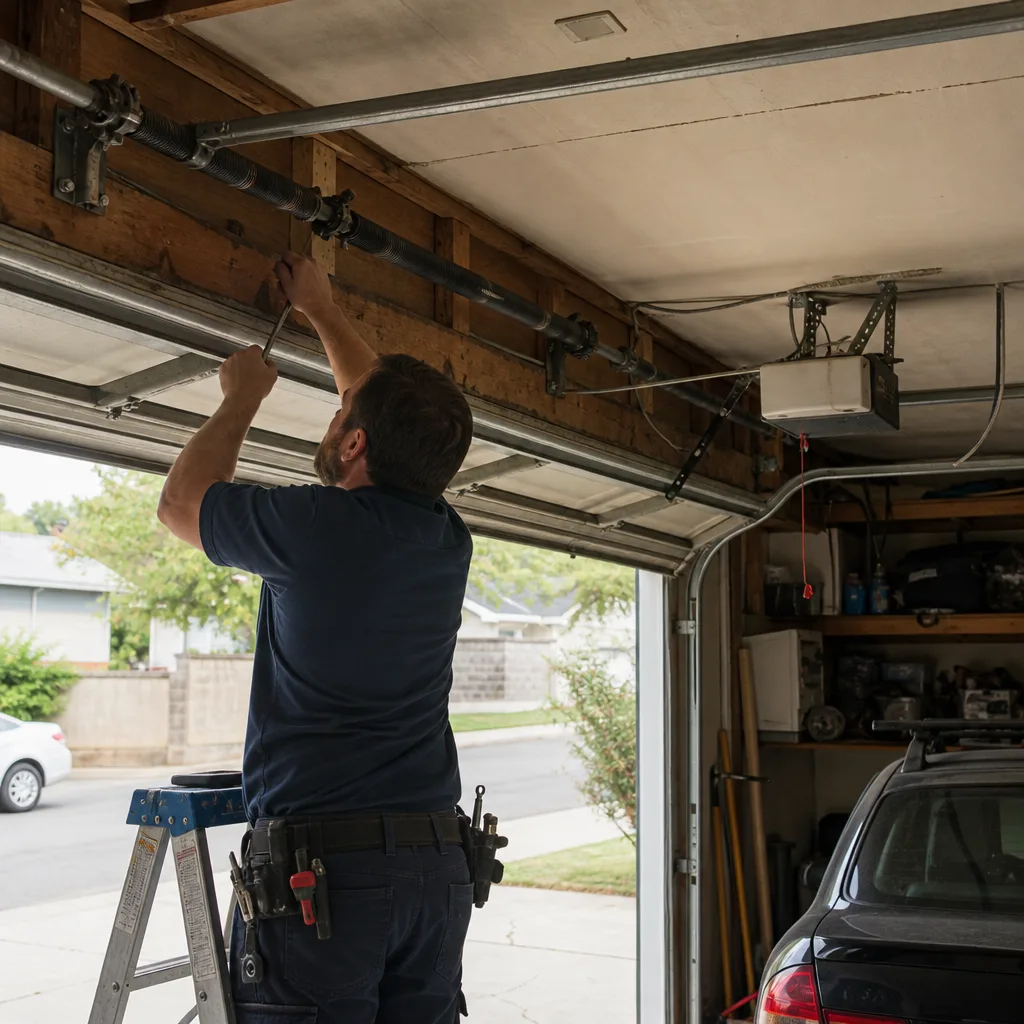 Before
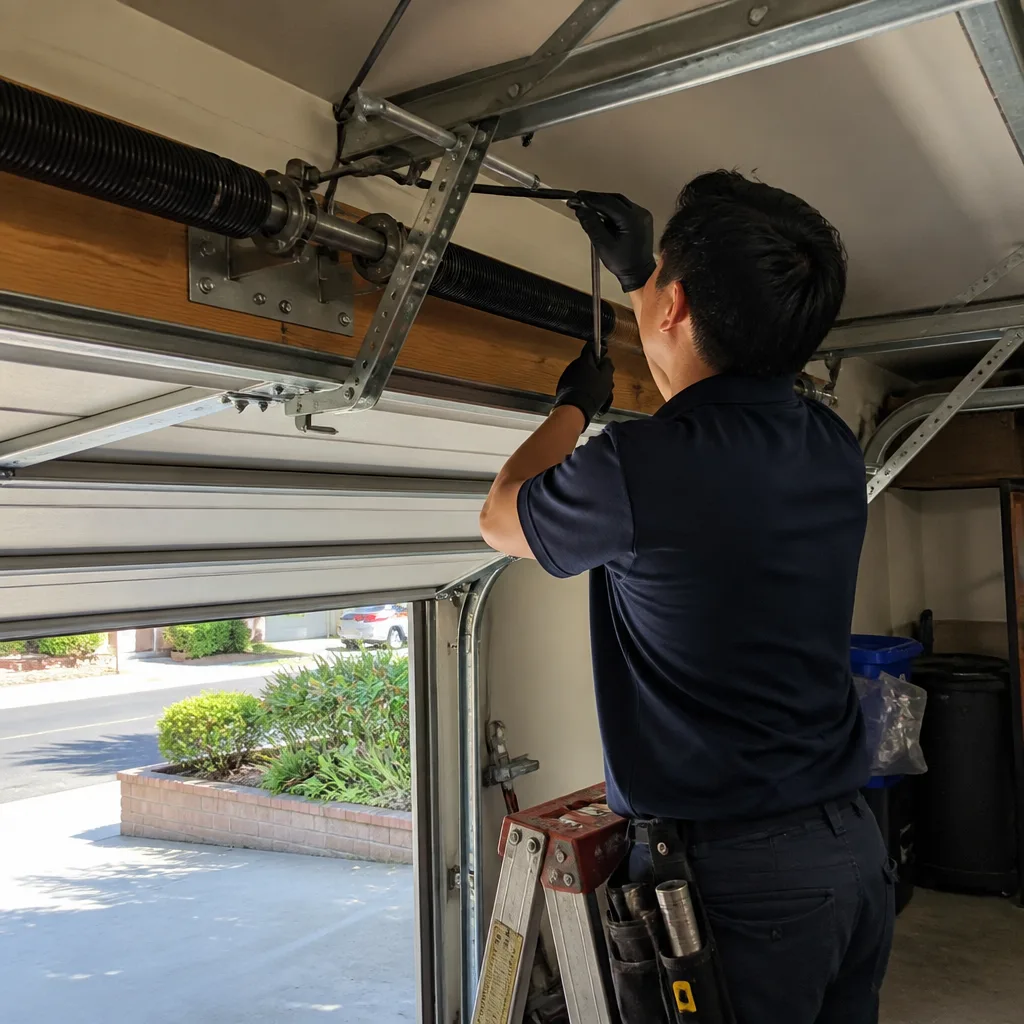 After
After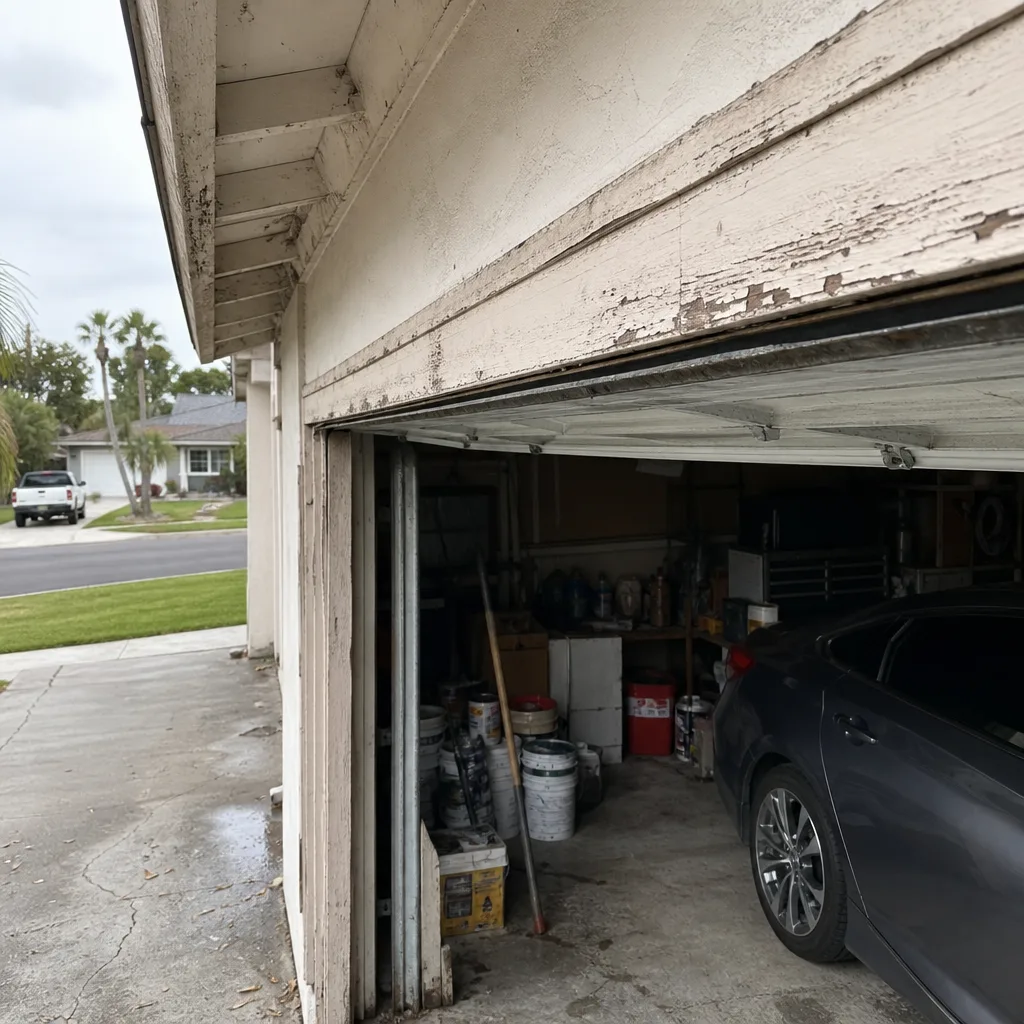 Before
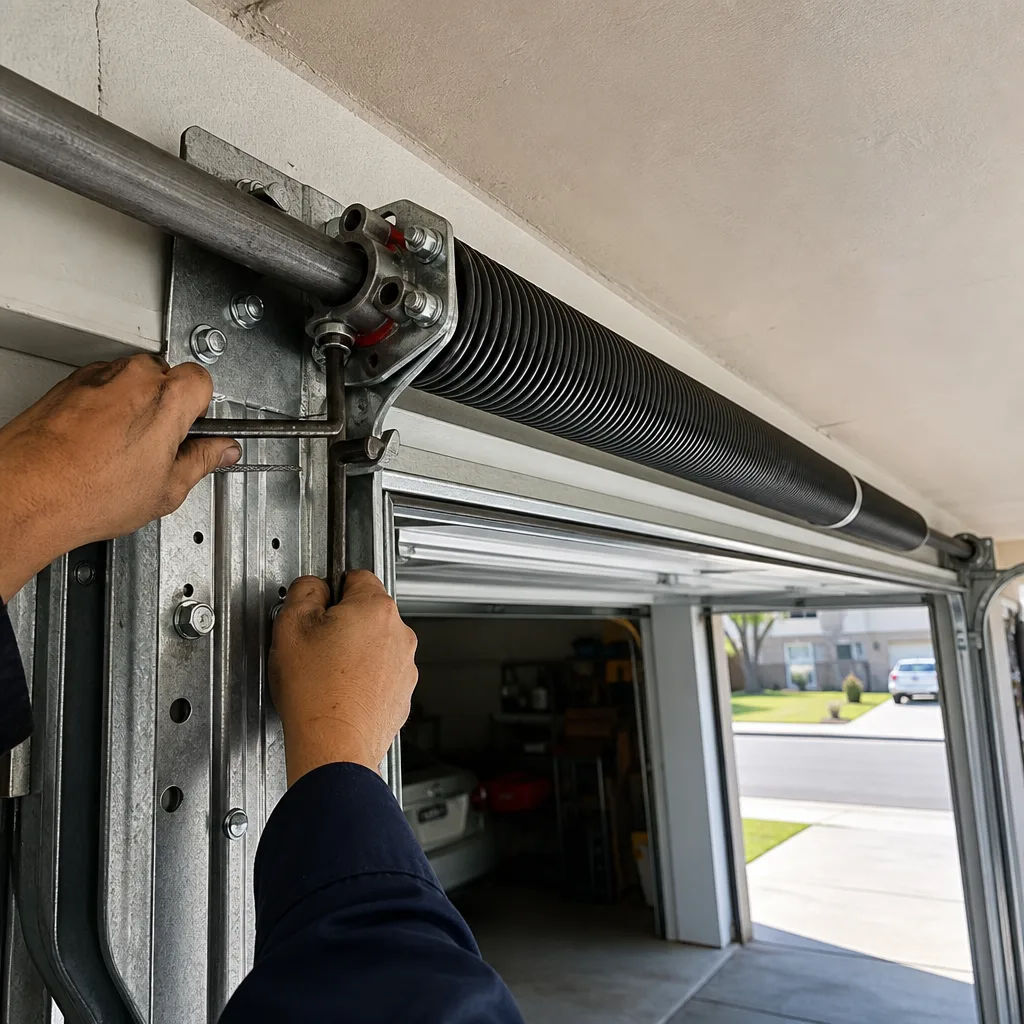 After
After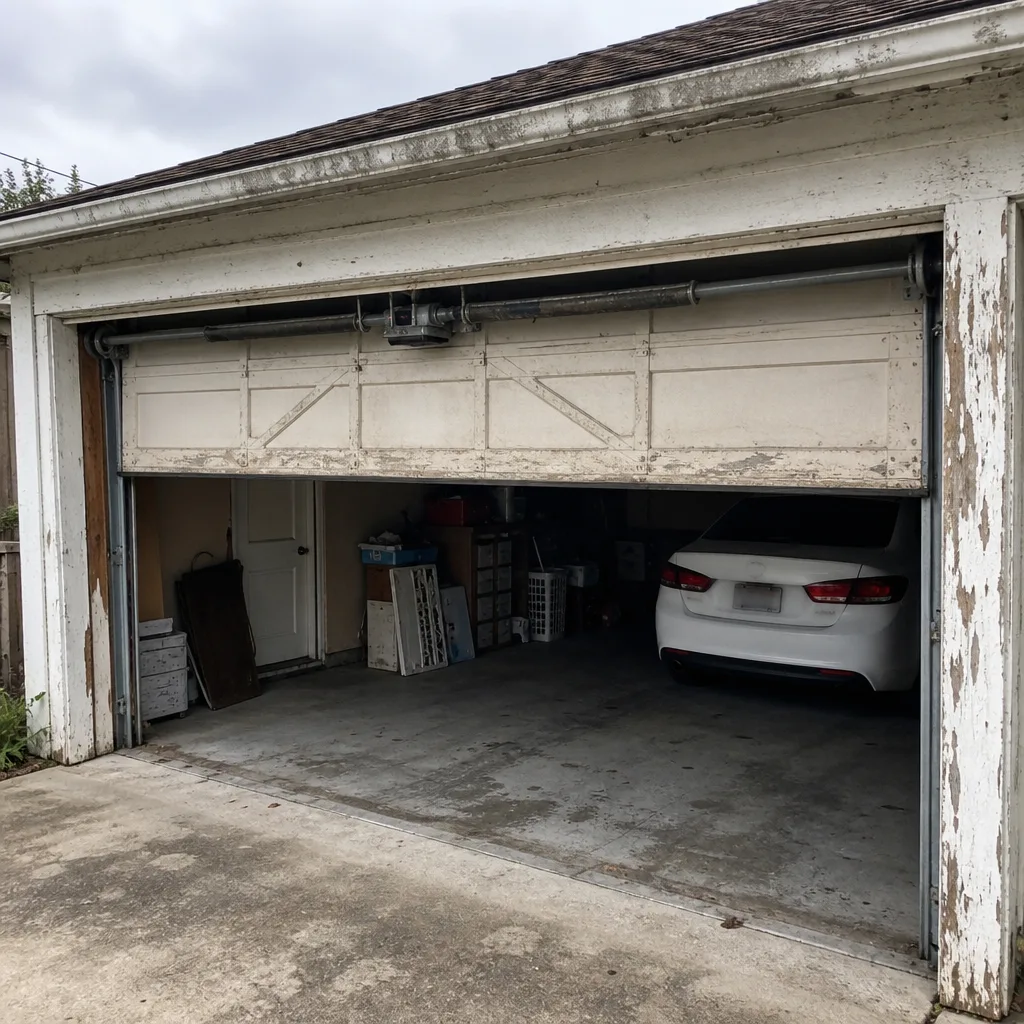 Before
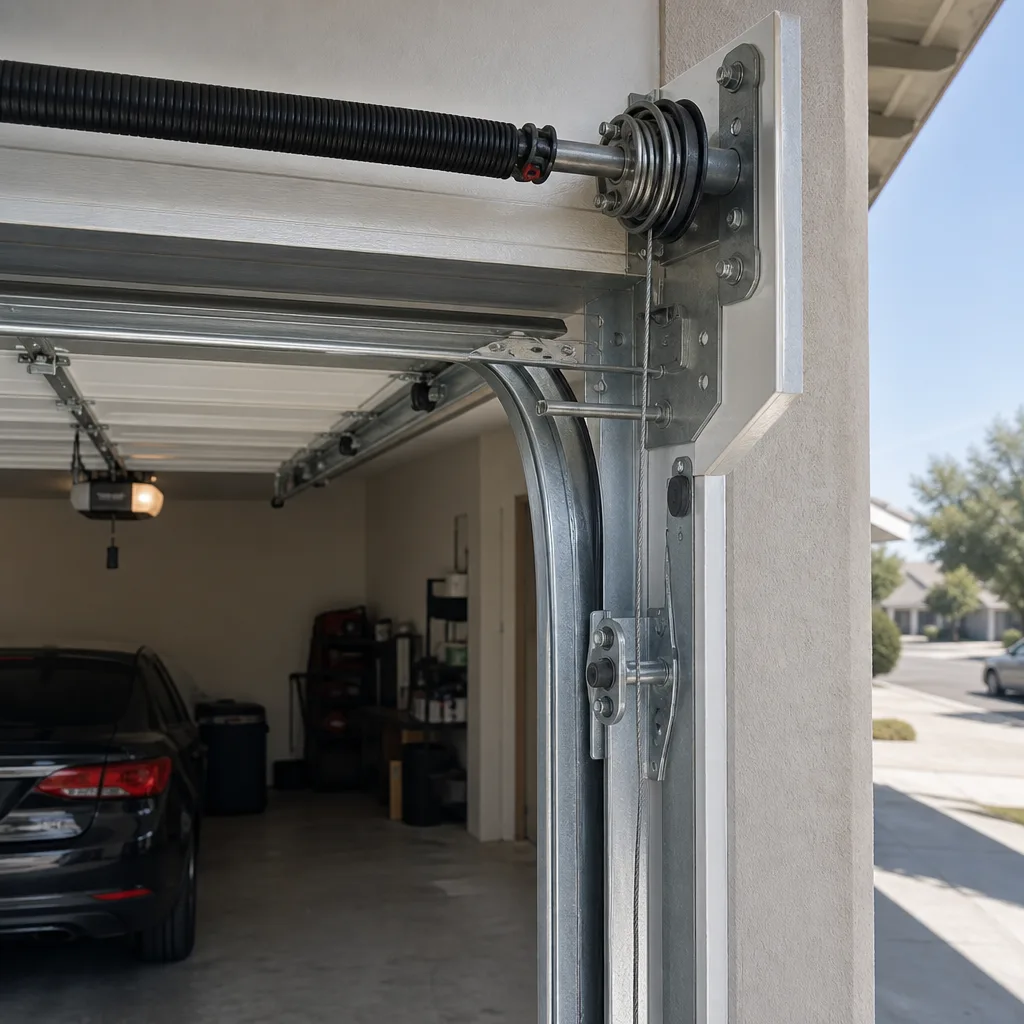 After
AfterHow to Hire a Garage Door Contractor in Santa Ana: A Step-by-Step Guide
The most common garage door complaint in California is not faulty parts. It is a second bill that arrives after the job, for parts the first quote quietly left out. In Santa Ana, where the garage door market is crowded with low bids and fast talkers, the real skill is learning to read a quote before you sign it. The difference between a dependable contractor and a costly one almost never shows up in the price on page one. This guide will show you exactly what to look for, what to ask, and what to walk away from, or you can explore our Complete Guide to Garage Door in Santa Ana for additional context.
Quick Answer
To hire a garage door contractor in Santa Ana, verify their CSLB license and classification, demand a written quote that itemizes labor, parts, disposal, and warranty, and confirm they stock common parts locally. A legitimate contractor will state the full price before work begins and put their warranty in writing. Anything less is a signal to keep looking.
Table of Contents
- How to Verify a Contractor’s License in Under Two Minutes
- The Five Line Items Every Honest Quote Must Include
- Why a Written Warranty Beats a Verbal Guarantee Every Time
- Questions to Ask About Parts and Same-Day Completion
- Red Flags Specific to the Santa Ana Market
- Brand Familiarity and Why It Matters for Your Door
- Common Mistakes to Avoid
- When to Call a Professional
- Frequently Asked Questions
How to Verify a Contractor’s License in Under Two Minutes
Every legitimate garage door contractor in California must carry a CSLB license. This is not optional, and it is not a formality. The license is your proof that the state has verified the contractor’s experience, bonded them for financial protection, and required workers’ compensation coverage for their crew.
Here is the two-minute check:
- Go to cslb.ca.gov and click “Check a License.”
- Enter the contractor’s license number. Do not accept “pending” or “applied for.”
- Confirm the status reads “Active.”
- Check the classification. For garage door work, look for C-61/D-28 (Doors, Gates, and Activating Devices) or C-10 (Electrical) if opener wiring is involved. A B-General license alone is not sufficient for specialized garage door installation.
- Verify the bond and workers’ compensation insurance are current.
- Cross-check the business name and address against what appears on their quote and vehicle.
In Santa Ana, we have seen unlicensed operators use a legitimate company’s license number on their paperwork. The CSLB website shows the exact business name registered to that number. If the names do not match, that is not a clerical error. It is a reason to end the conversation.
The license classification matters because garage doors are under high tension. A torsion spring on a standard residential door stores enough energy to cause serious injury or death if handled improperly. The C-61/D-28 classification specifically covers the mechanical systems, safety hardware, and automatic activating devices that general contractors are not trained to evaluate. When you hire someone without this classification, you are trusting your safety to a credential that was never meant to cover this work.
Ask for the license number before you schedule a visit. A contractor who hesitates, deflects, or tells you the license is “in the truck” is telling you something important. At Mainspring Garage Door Co., we provide our CSLB number when requested, every time, because there is nothing to hide.
The Five Line Items Every Honest Quote Must Include
A garage door quote that lists only a single bottom-line price is not a convenience. It is a hiding place. Here are the five line items that belong on every written estimate, and what each one protects you from.
1. Labor
This should state the hourly rate or flat labor charge, the estimated hours, and whether the rate changes if the job runs long. In Santa Ana’s competitive market, labor rates typically run $75-$150 per hour for journeyman technicians. A flat-rate labor charge is not suspicious if it is explained. An unexplained flat rate is.
2. Parts and Materials
Every spring, cable, roller, hinge, and panel should be listed with quantity and unit price. Generic descriptions like “spring replacement” or “hardware kit” are warnings. The specific spring size, wire gauge, and cycle rating (10,000-cycle vs. 20,000-cycle) determine how long your repair lasts. In Santa Ana’s warm, dry climate, springs fatigue from thermal cycling, daily use, and occasional Santa Ana wind events that stress door panels and hardware. Our Seasonal Garage Door Care for Santa Ana: Year-Round Homeowner’s Guide explains how to spot early wear before it becomes a failure. A 10,000-cycle spring on a door used four times daily lasts roughly seven years. You should know which you are getting.
3. Disposal and Haul-Away
Old doors, springs, and openers are heavy. Disposal fees in Orange County run $50-$100 depending on material and size. If this line is missing, ask where the old door goes. “We’ll take care of it” often means it sits in your driveway until you call someone else.
4. Permit and Inspection Fees
New garage door installations in Santa Ana may require a permit from the City of Santa Ana Building Division, particularly if structural framing, electrical work for openers, or wind-load-rated doors are involved. Permit fees typically range $150-$350. A contractor who says “we never pull permits” is exposing you to liability and potential resale complications. A contractor who includes permit costs upfront is doing the job properly.
5. Warranty Terms
This deserves its own section, which follows. But on the quote itself, the warranty should state what is covered, for how long, and whether labor is included or only parts. “Lifetime warranty” means nothing without defining whose lifetime, what components, and under what conditions.
When any of these five line items is missing, the contractor is either inexperienced or deliberately obscuring costs that will appear later. We have been called to Santa Ana homes where the original “low” bid doubled after the old door was removed and the homeowner had no leverage to refuse. The time to prevent that is before anyone touches your door.
Why a Written Warranty Beats a Verbal Guarantee Every Time
A verbal guarantee is a promise you cannot enforce. In California, verbal contracts for home improvement work over $500 are unenforceable under the Business and Professions Code. A contractor who tells you “don’t worry, we’re good for it” is asking you to trust a handshake that the law will not protect.
A written warranty should contain four specific elements to be worth the paper it is on:
- Duration stated in calendar days or years. “Lifetime” must define the scope. Is it the spring’s rated cycle life? The original homeowner’s ownership? The company’s existence?
- Parts and labor specified separately. A parts-only warranty means you pay the service call and labor when the replacement fails. In practice, this often costs more than the part itself.
- No-dispute language. The warranty should state that the contractor will return and correct the defect without requiring mediation, arbitration, or your out-of-pocket cost to prove the failure.
- Transferability. If you sell your Santa Ana home, a transferable warranty adds value. A non-transferable warranty dies with your ownership.
At Mainspring Garage Door Co., our 90-Day Done Right Promise is stated in writing on every job: if the work is not right, we return at no charge. No paperwork to file, no dispute process, no argument. We put this in writing because we have been in Santa Ana since 1984, and we plan to be here when you need us again. A contractor who will not match this specificity, or who offers “lifetime” coverage from a company that opened last year, is selling you a story.
The written warranty also reveals the contractor’s confidence in their own work. A 30-day warranty suggests they expect callbacks. A one-year parts-only warranty suggests they trust the manufacturer but not their installation. A comprehensive labor-and-parts warranty with clear terms suggests a business that stands behind its craft.
Questions to Ask About Parts and Same-Day Completion
The single biggest delay in garage door repair is waiting for parts. A contractor who diagnoses your problem, then orders springs or cables from a warehouse in Los Angeles or San Diego, has added days to a job that should take hours. In Santa Ana’s older neighborhoods, like Floral Park and West Floral Park, we regularly see original Wayne Dalton and Raynor doors from the 1980s and 1990s with proprietary spring systems and hardware that big-box stores do not stock.
Before you schedule, ask these questions:
- “Do you carry standard torsion springs and extension springs on your truck?” The answer should be yes, with specific sizes available. A 2-inch or 2-5/8-inch spring system is standard, but door weight and height determine wire gauge and length.
- “What openers do you stock?” If your Chamberlain or Genie opener fails, a contractor who carries replacement units can complete installation same-day. One who orders from a distributor cannot.
- “Do you carry cables, rollers, and weatherstripping?” These are the most common wear items. A truck without them is not prepared for routine repair.
- “What happens if my door uses a discontinued part?” For older Clopay or Amarr doors, some hardware is no longer manufactured. An experienced contractor will know whether an adapter kit exists or whether panel replacement is the practical solution.
- “How do you handle proprietary systems?” Wayne Dalton TorqueMaster springs, for example, require specialized tools and knowledge. A contractor who has never seen one will guess, and guessing with high-tension springs is dangerous.
In our experience serving Santa Ana, a contractor with properly stocked trucks completes roughly 85% of repair calls in a single visit. The other 15% typically involve custom wood doors, obsolete opener models, or specialty glass panels that no reasonable inventory could cover. If your contractor’s single-visit rate is significantly lower, the problem is usually their supply chain, not your door.
Same-day completion matters more in Santa Ana than in milder climates. Summer temperatures above 90 degrees turn an attached garage into a heat sink that raises your home’s cooling load. A door stuck open or compromised by a broken spring is not merely an inconvenience. It is an energy and security problem that compounds with every hour.
Red Flags Specific to the Santa Ana Market
Santa Ana’s garage door market has patterns that repeat often enough to name. These are not hypotheticals. We have encountered the aftermath of each.
Pressure to decide before the technician leaves
A contractor who offers a “today only” discount, or who suggests the price increases when the truck pulls away, is using scarcity tactics on a service you may need but do not need immediately. A legitimate quote is valid for a reasonable period, typically 7-30 days. The pressure to sign now exists because the contractor knows that comparison shopping reveals their price is not competitive, or their terms are not standard.
“Diagnostic fees” that disappear with a signed agreement
This is a common structure: quote a $49 or $79 diagnostic fee, then waive it if you approve the repair on the spot. The fee was never real. It is a psychological anchor that makes the repair price feel like a bargain by comparison. An honest contractor states the service call charge, if any, separately from the repair quote, and does not manipulate the two against each other.
Bait-and-switch opener upgrades
You call for a repair on your existing Genie or Chamberlain opener. The technician arrives, declares it unrepairable, and offers a “comparable” unit at a price that turns out to be significantly higher than retail. The original opener was repairable. The “comparable” unit is a model the contractor gets at wholesale and marks up aggressively. Before accepting any opener replacement, ask for the model number and check retail pricing yourself. A contractor who will not provide the model number is hiding the spread.
Unmarked vehicles and no local address
A contractor who arrives in an unmarked truck, or whose business address is a post office box or virtual office, has no fixed presence in Santa Ana. If the warranty needs honoring, or if the work fails, you have no physical location to pursue. We maintain our shop and dispatch from Orange County because we are part of this community. A transient operator has no such stake.
Requests for large upfront deposits
California law limits deposits to $1,000 or 10% of the contract price, whichever is less, for home improvement contracts. A contractor who demands half upfront for a standard repair is either undercapitalized or planning to disappear. For installation work, progressive payments tied to milestones are standard. For repair work, payment upon completion is the norm.
Brand Familiarity and Why It Matters for Your Door
Garage doors and openers are not generic. A contractor who claims to service “all brands” but cannot name the specific model series in your garage has revealed the limits of their expertise. Factory familiarity matters because each major manufacturer uses distinct spring systems, track geometries, safety sensor configurations, and opener logic boards.
Chamberlain and LiftMaster, for example, share parent company ownership but use different rail assemblies and force-setting procedures. Genie’s Intellicode rolling-code systems require specific programming sequences that differ from Chamberlain’s Security+ models. Clopay’s Intellicore insulated doors use different panel attachment methods than Amarr’s traditional steel designs. Wayne Dalton’s TorqueMaster spring system is entirely distinct from standard torsion setups and demands specialized training.
When you describe your door or opener over the phone, a knowledgeable contractor will ask clarifying questions: the approximate age, any visible model numbers, whether the spring is above the door or alongside the tracks, whether the opener chain, belt, or screw-drive. These questions are not upselling. They are how a professional prepares to bring the right parts and tools.
In Santa Ana, we service all major brands including Chamberlain, Genie, Clopay, and Amarr, because homeowners inherit the door that came with the house. Our technicians train on each manufacturer’s current and discontinued lines, so we do not guess when we arrive. If your contractor’s “familiarity” extends only to what they can order from a distributor, you are paying for their education.
For new garage door installation in Santa Ana, brand familiarity also guides material selection. Clopay’s Canyon Ridge composite series performs well in coastal-influenced climates but requires different maintenance than Amarr’s traditional steel. A contractor who sells only what they stock, rather than what suits your home, is a salesperson, not a advisor.
Common Mistakes to Avoid
- Choosing by price alone. The lowest bid in Santa Ana often excludes permit fees, disposal, or warranty labor. Add these back in, and the “cheap” option frequently costs more than the mid-range quote that included everything upfront.
- Ignoring the CSLB classification. A general contractor with a B license can legally bid garage door work, but lacks the specific training for high-tension spring systems and automatic door safety devices. Verify the D-28 or equivalent classification.
- Accepting a verbal quote. California requires written contracts for home improvement work over $500. A contractor who resists putting terms in writing is preparing to change them later.
- Not asking about parts inventory. A contractor who orders common springs is adding days to your repair. Same-day completion requires same-day parts availability.
- Overlooking warranty transferability. If you plan to sell your Santa Ana home, a non-transferable warranty offers no value to buyers. A transferable warranty with clear terms is a selling point.
- Permitting unpermitted work. Unpermitted installations can complicate home sales, insurance claims, and code compliance. The permit cost is modest protection against major future problems.
- Hiring based on online reviews without verification. Reviews can be purchased or fabricated. Cross-check with the CSLB, the Better Business Bureau, and your own reference calls.
When to Call a Professional
Some garage door problems are maintenance items a homeowner can handle: lubricating rollers, clearing track debris, testing photo-eye alignment. Others demand professional attention because the risk of injury outweighs any potential savings. See our DIY vs Professional Garage Door: The Santa Ana Homeowner’s Decision Guide for help deciding which path fits your situation.
Call a professional immediately if your door has a broken spring or cable, if the door is off its tracks, if the opener strains but does not move the door, or if you hear loud popping or grinding sounds. These conditions involve high-tension components that can cause serious injury without warning. Do not attempt DIY repair on torsion springs, cable systems, or opener force settings.
Also call a professional if your door lacks modern safety features, including auto-reverse and photo-eye sensors. Federal law has required these since 1993, but many older Santa Ana homes still operate original equipment. A contractor can evaluate whether your opener meets current UL 325 safety standards.
Mainspring Garage Door Co. offers free estimates in Santa Ana. If you are uncertain whether your situation requires immediate service, call us at (562) 245-4879 and speak with a live person. We will tell you honestly whether you need a technician now, or whether the issue can wait for routine maintenance.
Frequently Asked Questions
Most standard repairs in Santa Ana range from $180 to $450, with spring replacement typically at the lower end and cable or roller replacement at the higher end if multiple components have failed. New opener installation generally runs $350 to $650 depending on horsepower and features. We provide written, itemized quotes before any work begins, and our $50 Off Any Repair Over $250 standing offer applies automatically. Call (562) 245-4879 for an exact quote on your specific door.
Visit cslb.ca.gov, click “Check a License,” and enter the contractor’s license number. Verify the status is “Active,” the classification includes C-61/D-28 for garage door work, and the business name matches their quote and vehicle. The entire process takes under two minutes and is the most important verification you can perform.
A valid warranty specifies the duration in calendar time, covers both parts and labor, requires no dispute process or out-of-pocket cost to enforce, and states whether it transfers to subsequent homeowners. Vague terms like “lifetime” or “satisfaction guaranteed” without specifics are not enforceable protections.
Yes, if the contractor stocks common springs, cables, and openers on their service trucks. In Santa Ana’s climate, where thermal cycling accelerates spring fatigue, same-day repair is particularly valuable during heat waves when an open or stuck door compromises home cooling. Contractors who order parts from distributors typically add one to three days.
New garage door installations often require a permit from the City of Santa Ana Building Division, particularly if the work involves structural framing, electrical connections for the opener, or wind-load-rated doors. Permit fees typically run $150-$350. A contractor who avoids permitting may be cutting corners that affect your home’s resale value and insurance coverage.
Torsion springs mount above the door and twist to store energy; extension springs run alongside the tracks and stretch. They use different hardware, require different tools, and fail in different patterns. A contractor who does not ask which system you have, or who arrives unprepared for your specific setup, will waste your time and potentially damage your door.
Yes, and this specialization matters. Neighborhoods like Floral Park, West Floral Park, and portions of Washington Square contain original doors from the 1950s through 1980s with hardware that is no longer manufactured. A contractor experienced with these areas knows which adapter kits work, which panels can be matched, and when full replacement is the practical choice. We have serviced Santa Ana homes since 1984 and maintain reference files on the common door types in each neighborhood.
The Bottom Line
Hiring a garage door contractor in Santa Ana comes down to four verifications: an active CSLB license with the correct classification, a written quote with five specific line items, a written warranty with enforceable terms, and confirmation that common parts ride on the truck. The contractors who pass these checks are not always the cheapest. They are the ones you will not have to call twice. At Mainspring Garage Door Co., we have built our reputation in Santa Ana on showing up prepared, stating the price before the work starts, and standing behind every job for 90 days in writing. That is a square deal. It is also the only kind we offer. For more guides & resources, visit our blog.
Written by Carl Dutton, Owner at Mainspring Garage Door Co., serving Santa Ana since 2016.