
Last updated September 10, 2026
Full 25-point door and opener safety check with every visit - springs, cables, rollers, tracks, and your LiftMaster or Chamberlain opener included
You get a price before we start. It does not change when the truck arrives.
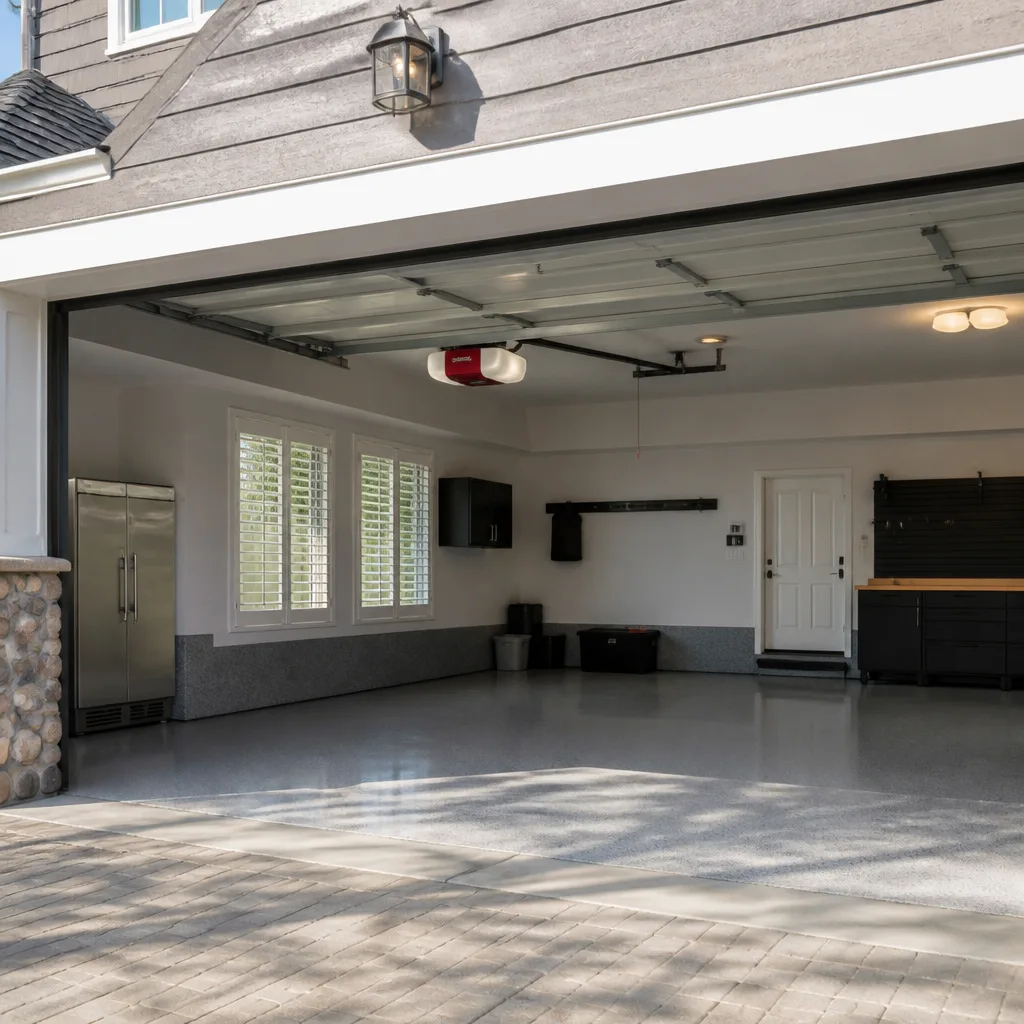
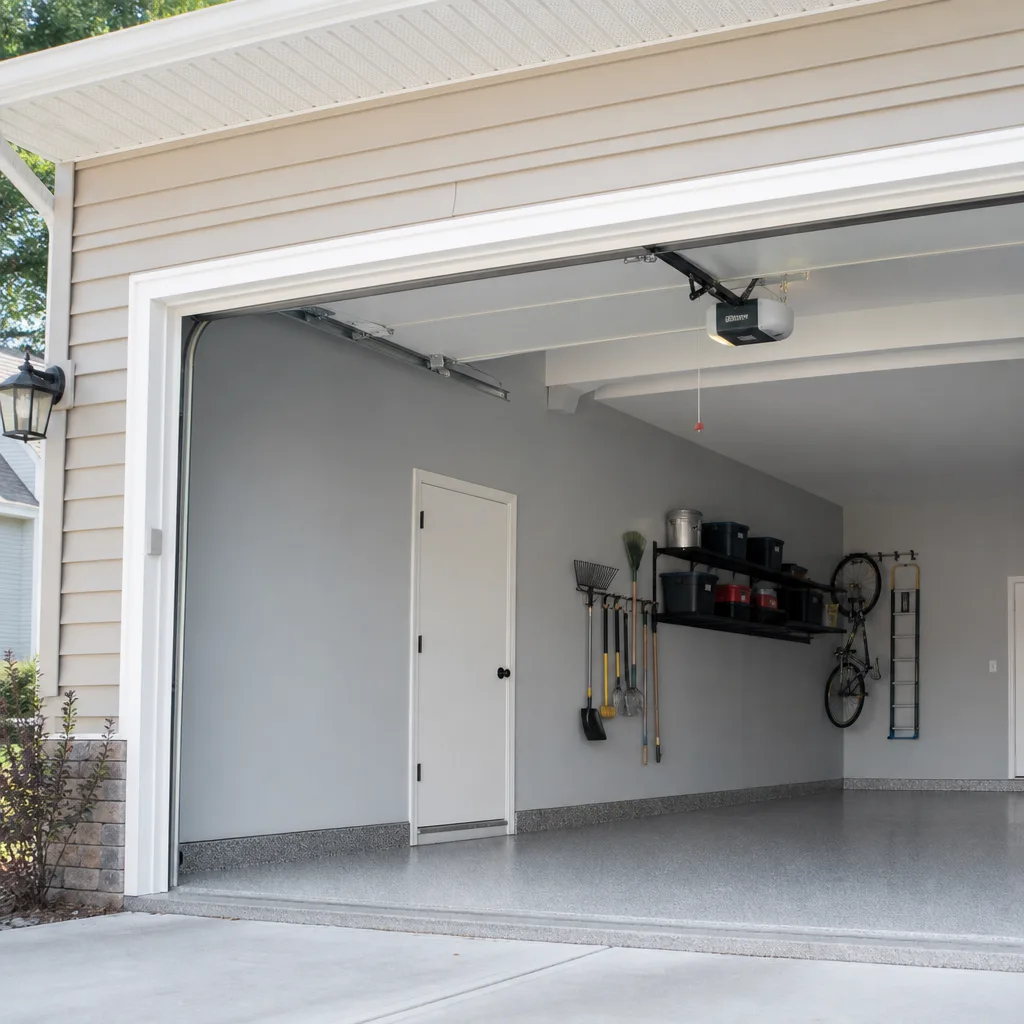
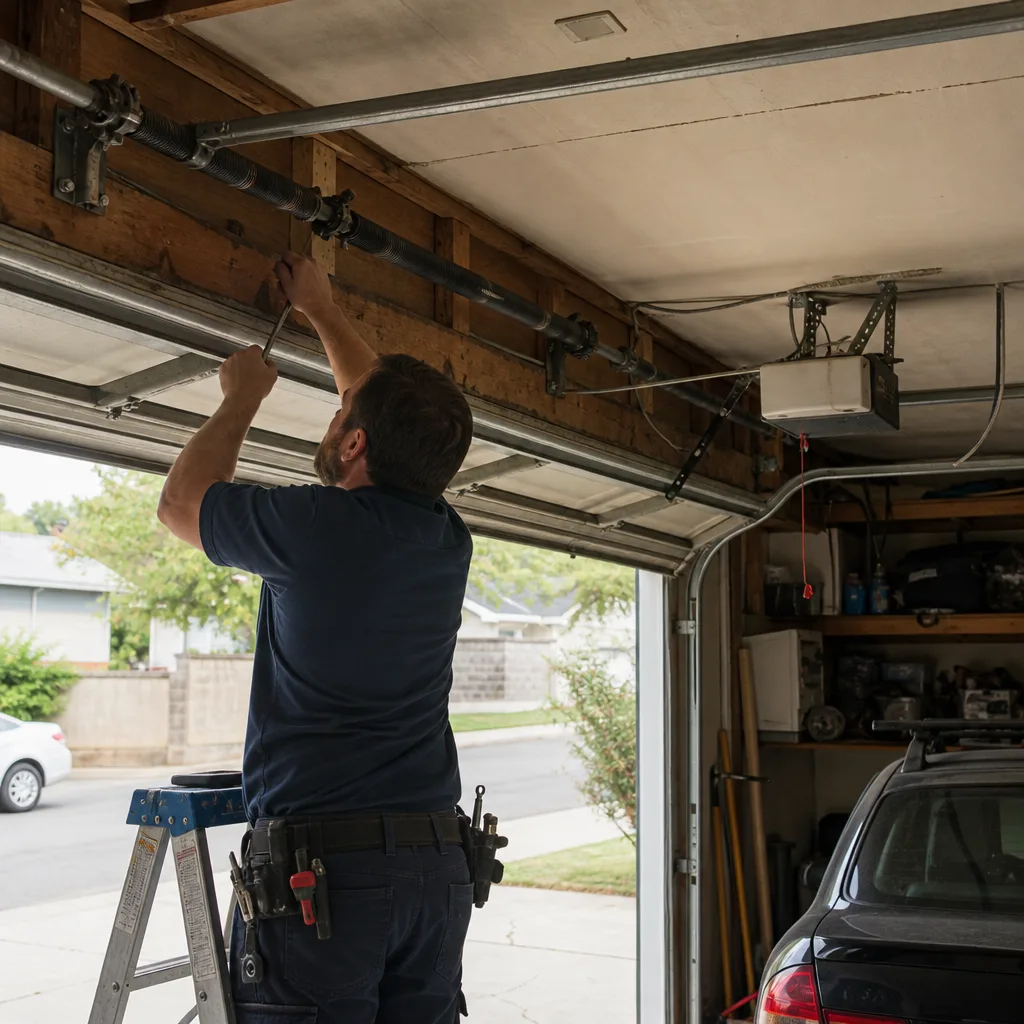 Before
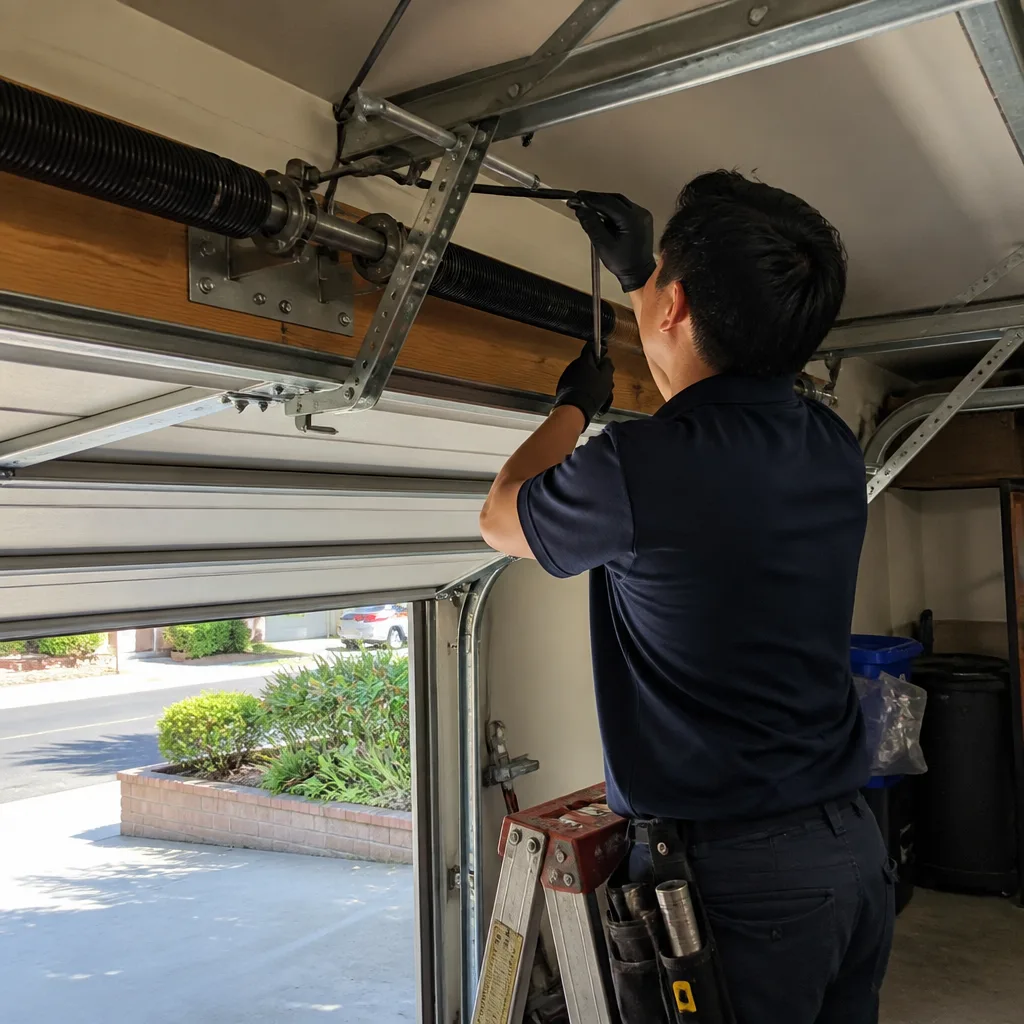 After
After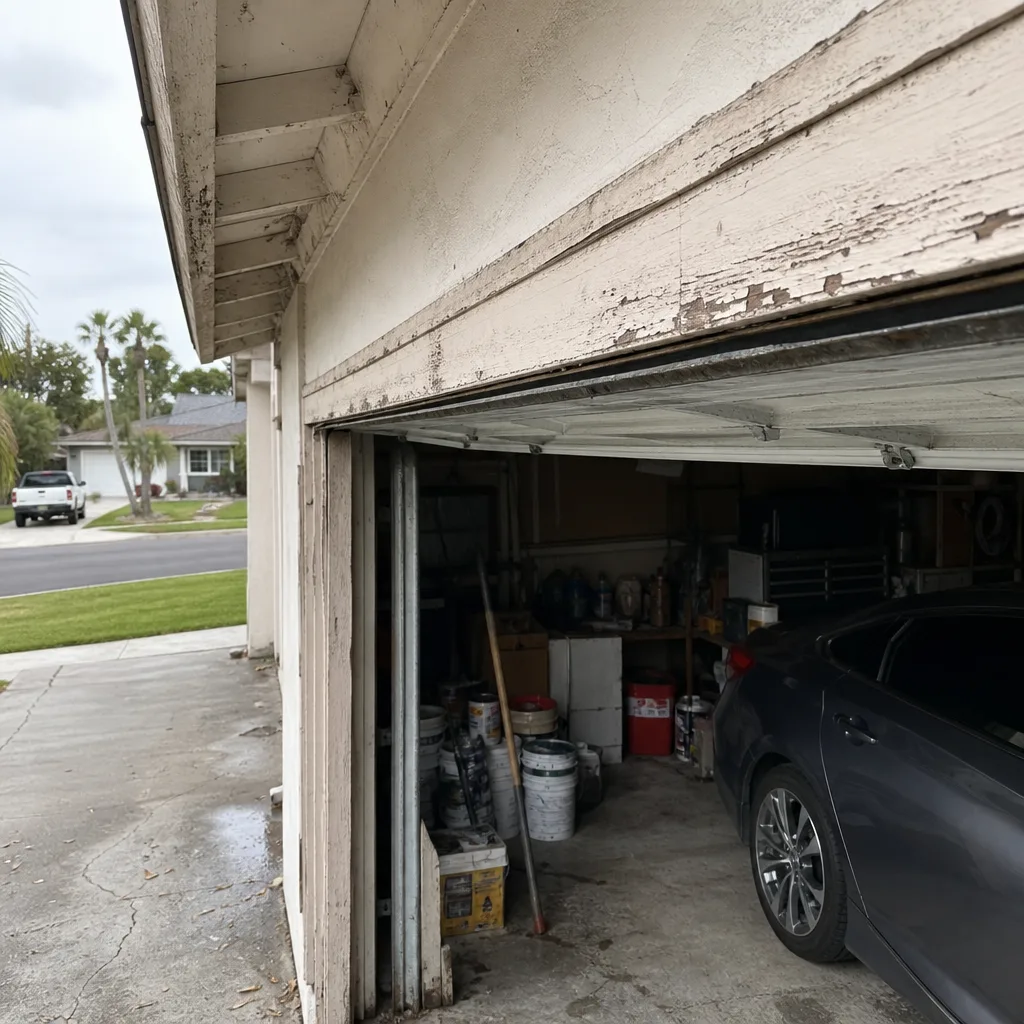 Before
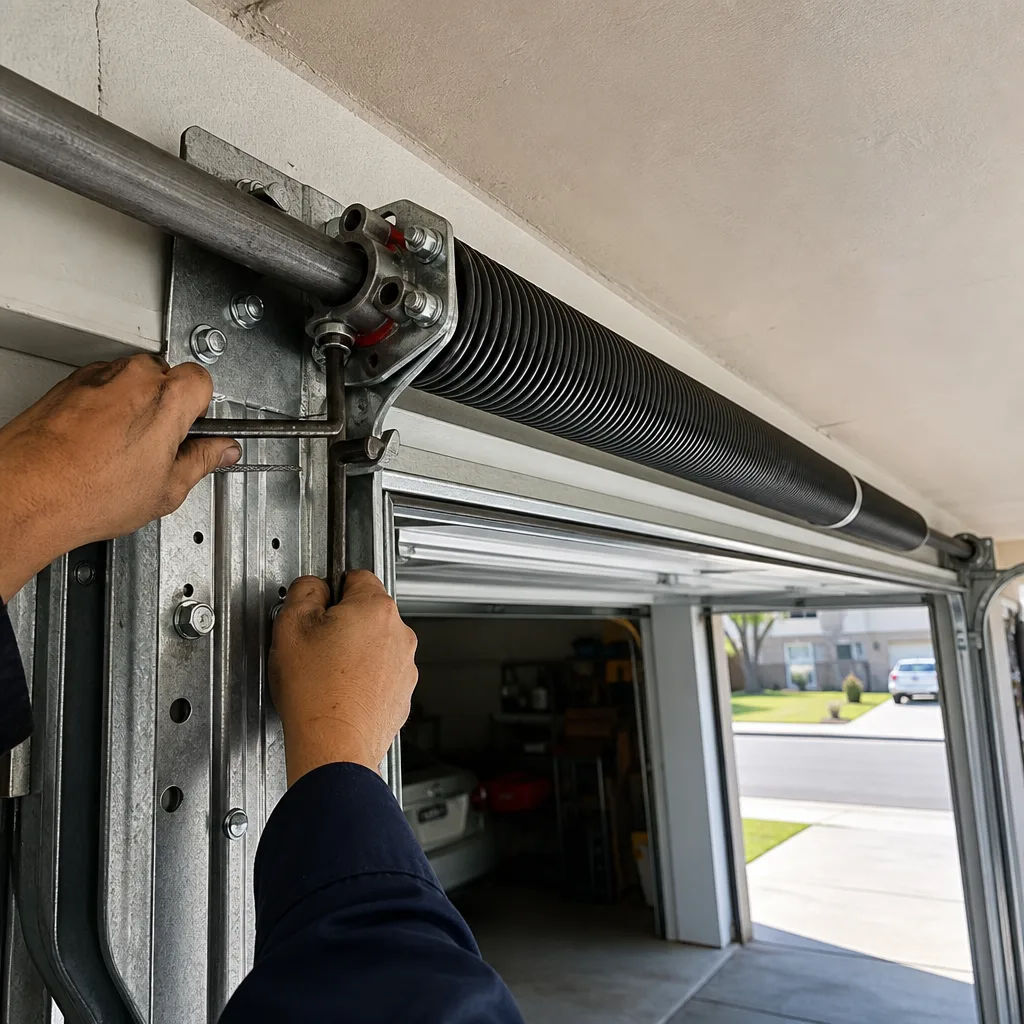 After
After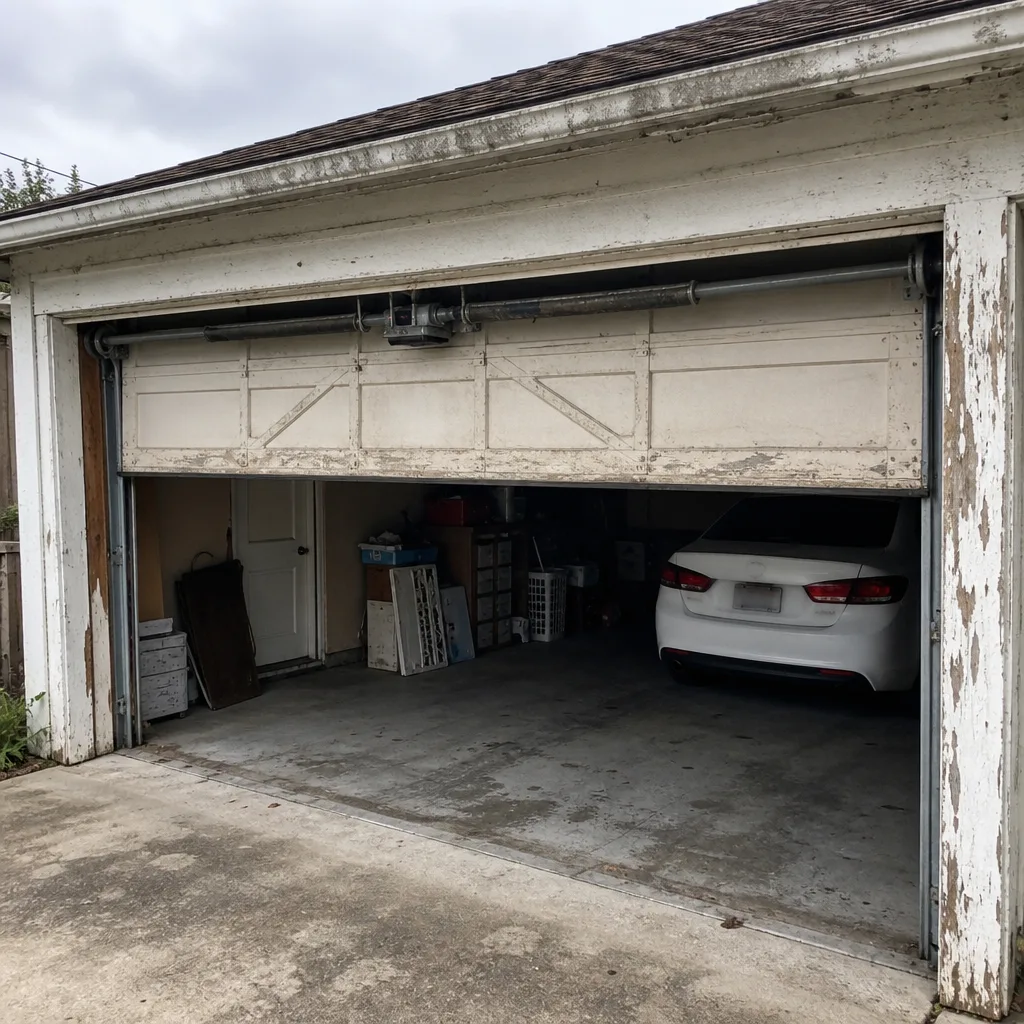 Before
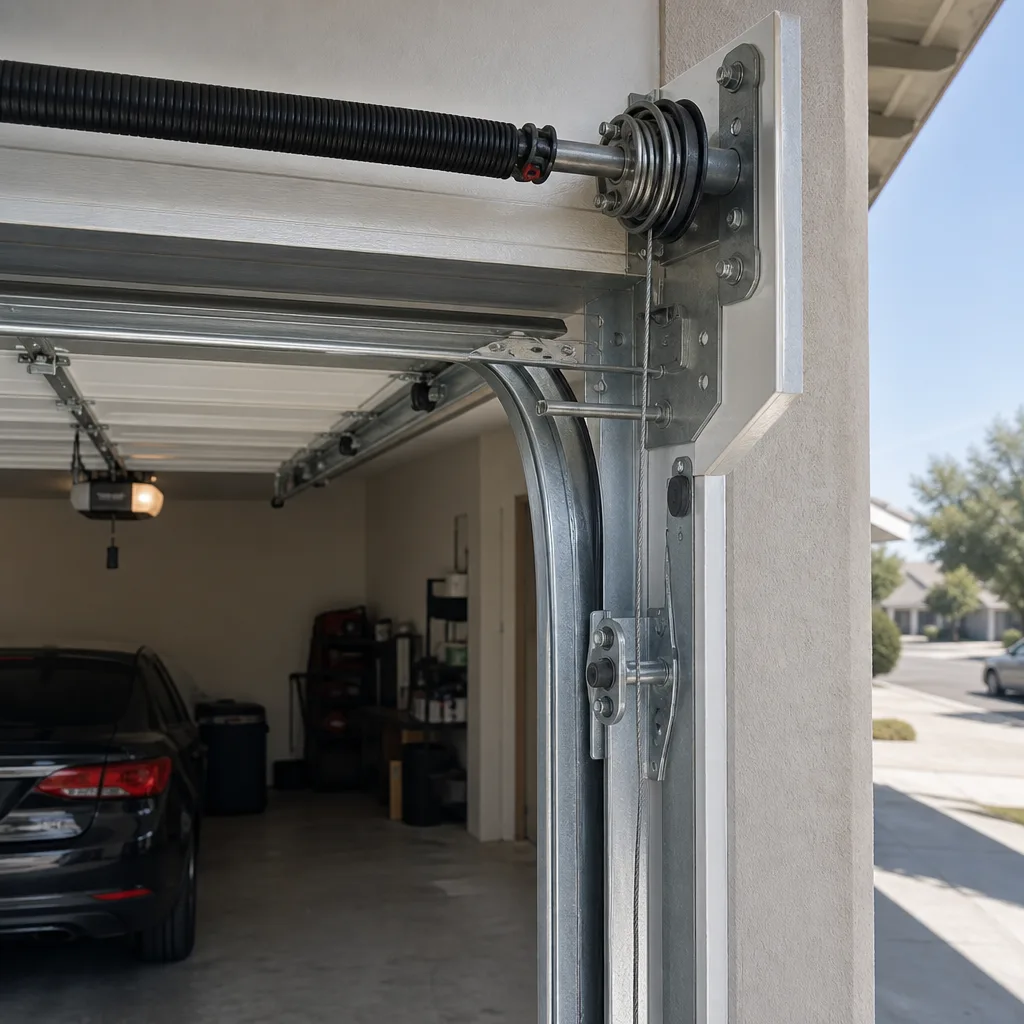 After
AfterGarage Door Permits, Codes & Inspections in CA: What You Need to Know
A garage door replaced without a required permit in California can be flagged as an unpermitted improvement at escrow - a discovery that has derailed more than a few Santa Ana home sales at the worst possible moment. In our 42 years of working across Orange County, we’ve seen homeowners lose buyers, renegotiate prices downward by thousands, and scramble through months of retroactive permitting that could have been avoided with a single afternoon of paperwork. This guide explains exactly when California and Santa Ana require permits for garage door work, what Title 24 energy compliance means for your project, how inspections actually work, and where your legal exposure sits if a contractor skips the process.
Quick Answer
Most full garage door replacements in California require a city permit, while simple like-for-like repairs and opener-only swaps typically do not. In Santa Ana, any door replacement that alters the opening dimensions, changes from non-insulated to insulated, or involves structural modification triggers a permit, inspection, and possible Title 24 energy compliance verification. Pulling the permit yourself or verifying your contractor does so protects you from insurance voids, sale delays, and personal liability if someone is later injured - our Garage Door Repair Maintenance Checklist for Santa Ana Homeowners covers what to verify before work begins.
Table of Contents
- When Is a Garage Door Permit Required in California?
- Santa Ana’s Specific Permit Thresholds
- Title 24 Energy Compliance and Insulated Garage Doors
- How the Inspection Process Works Step by Step
- Legal Exposure: Who’s Liable When Permits Are Skipped
- How to Retroactively Permit Garage Door Work
- Common Mistakes to Avoid
- When to Call a Professional
- Frequently Asked Questions
- The Bottom Line
When Is a Garage Door Permit Required in California?
California building code operates on a simple principle that gets complicated in practice: any work that changes the structure, energy performance, or safety systems of a building needs oversight. For garage doors, this means the permit requirement hinges on what you’re actually doing, not just that you’re touching the door.
Permit required:
- Full door replacement where the new door differs in size, weight, or operation from the original
- Conversion from a non-insulated to an insulated door (Title 24 trigger)
- Any modification to the rough opening or header structure
- Installation of a new garage door where none existed before
- Conversion from a manual door to an automatic opener system that requires electrical work
- Replacement after fire, vehicle impact, or structural damage that affected the framing
Permit typically not required:
- Like-for-like replacement of an existing door with identical specifications
- Spring, cable, roller, or hardware repair on an existing installation
- Opener replacement on an existing electrical circuit with no new wiring
- Panel replacement on a sectional door when the overall system is unchanged
- Cosmetic refinishing or painting
The distinction between “like-for-like” and “substantially different” sits at the center of most disputes. In 2019, a Santa Ana homeowner in the Floral Park neighborhood replaced a 16-foot non-insulated steel door with a 16-foot insulated model, assuming the dimensions matched. The city flagged it during a later kitchen remodel permit review because the insulated door altered the home’s energy envelope. The homeowner faced a $400 retroactive permit fee plus a delayed inspection that pushed their remodel back six weeks.
California’s building officials have broad discretion, and interpretations vary by jurisdiction. What passes in Riverside County may not pass in Orange County. When we quote a garage door installation in Santa Ana, we verify the permit requirement before any work begins and include that cost in our upfront price. No surprises on the bill.
Santa Ana’s Specific Permit Thresholds
The City of Santa Ana Building and Safety Division processes garage door permits through the Community Development Agency, located at 20 Civic Center Plaza. Their specific thresholds matter because Santa Ana enforces both the California Building Code and local amendments that can be stricter than neighboring cities.
Santa Ana’s permit triggers:
- Any door replacement on a home built before 1978 that involves disturbance of painted surfaces may trigger lead-safe work practices verification, even if the door itself is like-for-like. Santa Ana’s older housing stock, particularly in the Washington Square and Heninger Park areas, means this applies to a significant portion of residential garage doors.
- Weight differential exceeding 15 pounds from the original door specification requires engineering review of the spring system and header support. A solid wood carriage-style door replacing a hollow steel panel door commonly crosses this threshold.
- Changes to the opening width or height by any amount require full plan review and structural inspection. This includes converting a single door to a double, or raising the header for a taller RV door.
- Installation of wind-rated doors in Santa Ana’s designated high-wind zones, which includes properties west of Bristol Street and north of 17th Street based on the city’s wind exposure map. The 2022 California Building Code updated these boundaries, and some homes previously exempt now require Miami-Dade or W6 wind-load certification.
- Any work in a historic district or on a designated historic property requires additional Cultural Resources review. Santa Ana’s Historic Preservation Commission maintains this list, and violations carry penalties separate from building code enforcement.
Santa Ana’s permit fees for garage door work as of 2024 run approximately $180-$340 for standard residential replacement, with plan review adding $85-$150 if structural calculations are required. Same-day over-the-counter permits are available for straightforward like-for-like replacements with complete documentation. Complex projects requiring plan review typically take 5-10 business days.
The city’s inspectors are thorough but fair. In our experience, the most common failure point is inadequate header support for heavier doors, particularly in the post-war tract homes of south Santa Ana where 2×8 headers were standard and modern insulated doors often exceed their rated load.
Title 24 Energy Compliance and Insulated Garage Doors
California’s Title 24, Part 6 - the Building Energy Efficiency Standards - governs how buildings manage heat transfer. Garage doors became a regulated component in the 2019 standards update, and the 2022 revision tightened requirements further. This is where many homeowners and even some contractors stumble.
What Title 24 requires:
When a garage door is replaced on an existing home, and the new door is insulated or the original was not, the installation must meet minimum thermal performance standards. For garage doors, this means a maximum U-factor of 0.37 for climate zone 8, which covers coastal Orange County including Santa Ana. The U-factor measures how much heat passes through the door; lower numbers mean better insulation.
Which projects trigger Title 24 compliance:
- Any replacement of a non-insulated door with an insulated model
- New construction garage doors
- Additions that include a new garage space
- Major alterations where the garage is being converted to conditioned living space
Projects exempt from Title 24:
- Like-for-like replacement of an existing insulated door with another insulated door meeting the same or better U-factor
- Repair of existing components without replacement of the door slab
- Detached garages under 400 square feet in certain configurations
The compliance verification typically happens through a HERS (Home Energy Rating System) rater or a certified inspector who verifies the door’s labeled U-factor matches the installation. In Santa Ana, this is often bundled with the standard building inspection, but not always. We’ve seen projects where the building inspector signed off but the Title 24 documentation was incomplete, creating a gap that surfaced years later during a refinance appraisal.
Manufacturers including Clopay, Amarr, and Wayne Dalton publish Title 24-compliant models with clearly marked NFRC labels. When we specify a door for a Santa Ana installation, we confirm the label matches the climate zone requirement and document it in the permit packet. That paperwork belongs in your files, not just the city’s.
Santa Ana’s summer heat peaks in the high 90s, and east-facing garages without insulation can reach 110 degrees by mid-morning. An insulated door with proper U-factor rating cuts that temperature swing significantly, which matters for homeowners storing temperature-sensitive items or with living space above the garage.
How the Inspection Process Works Step by Step
Understanding what actually happens during inspection removes anxiety and helps you prepare. Here’s the sequence for a typical permitted garage door replacement in Santa Ana.
Step 1: Permit application and plan submission
The contractor or homeowner submits an application with door specifications, manufacturer cut sheet, and structural details if required. For Santa Ana, this can be done online through the city’s Citizen Access portal or in person. We typically handle this for our installation customers and build the $180-$340 permit cost into our upfront quote.
Step 2: Plan review (if triggered)
Standard like-for-like replacements skip this step. Projects with structural changes, wind-rated requirements, or historic review go to plan review. Timeline: 5-10 business days in Santa Ana, though we’ve seen simple cases clear in 3 days during slower periods.
Step 3: Permit issuance and job start
Once issued, the permit must be posted at the job site. Work can begin immediately. The permit expiration is typically 180 days from issuance, with one extension available.
Step 4: Rough inspection (when applicable)
For projects involving structural modification, electrical work, or new opener circuits, a rough inspection happens before final cover. The inspector verifies framing, wiring, and structural supports are correct. In Santa Ana, rough inspections are scheduled through the city’s automated system with next-day availability in most cases.
Step 5: Final inspection
This is the standard inspection for all permitted garage door work. The inspector examines:
- Door operation: smooth travel, proper balance, no binding in the tracks
- Safety systems: photo-eye alignment and function, auto-reverse on contact, force settings
- Spring and cable integrity: proper winding, secure fastening, no visible wear
- Structural attachment: jambs secured to framing, header adequately supported
- Weatherstripping and seal: continuous contact with the floor and jambs
- Label compliance: manufacturer ratings visible and matching permit documents
- Electrical: GFCI protection for new circuits, proper grounding, accessible disconnect
Step 6: Approval and certificate of occupancy update
Passing inspection generates an approval record attached to the property’s certificate of occupancy. This is the document escrow officers check during sale. In Santa Ana, approved permits are typically reflected in the online property record within 5-7 business days.
Failed inspections require correction and re-inspection, usually with a fee of $85-$120. Common failures in our experience: photo-eyes mounted too high (must be 6 inches or less above floor), missing disconnect within sight of the operator, and improper spring balance on custom wood doors. Our technicians arrive with the checklist and verify these points before calling for inspection, which is why most of our permitted jobs pass on first visit.
Legal Exposure: Who’s Liable When Permits Are Skipped
This is the section most competitors gloss over, and it’s the one that matters most if something goes wrong.
When the contractor pulls the permit:
The contractor is the “responsible party” on record. If the installation fails inspection, causes injury, or is later found defective, the contractor bears primary liability. Their license bond and insurance are the first recourse. However, California courts have held homeowners jointly liable in cases where they knowingly participated in unpermitted work or hired unlicensed operators. The “I didn’t know” defense has limits.
When no permit is pulled:
The liability landscape shifts dramatically. Consider these scenarios:
Insurance voidance: A homeowner in the Morrison Park area of Santa Ana had a garage door spring fail catastrophically in 2021, damaging a vehicle and injuring a visitor. Their homeowner’s insurer denied the liability claim because the door had been replaced two years prior without permit, and the insurer argued the unpermitted work constituted a material change in risk not disclosed in the policy application. The homeowner paid $23,000 in medical and repair costs out of pocket.
Sale and disclosure obligations: California Civil Code Section 1102 requires disclosure of unpermitted improvements. Failure to disclose can void the sale, trigger rescission, or expose the seller to fraud claims. In Santa Ana’s competitive market, buyers increasingly use third-party permit history services that flag discrepancies automatically.
Personal injury liability: If an unpermitted garage door installation causes injury to a third party, and the homeowner knew or should have known the work was unpermitted, California negligence law places direct liability on the homeowner. This includes cases where the contractor disappeared, went out of business, or was unlicensed. The permit is your documentation that qualified oversight occurred.
Code enforcement action: Santa Ana’s code enforcement division can issue notices of violation, with penalties starting at $100 per day for unpermitted work remaining uncorrected. While they typically focus on visible exterior violations, complaint-driven investigations can uncover historical unpermitted work.
Our position at Mainspring: We pull permits on every job that requires one, period. The permit cost is stated in our upfront price. We do not offer “permit optional” pricing because the liability exposure falls on the homeowner, not us, if we skip it. That is not a square deal.
How to Retroactively Permit Garage Door Work
Sometimes you inherit a problem. The previous owner replaced the door without permit. Your contractor cut corners. You bought the house unaware. Retroactive permitting is possible but not always practical.
When retroactive permitting is worth pursuing:
- You are selling within 12 months and the buyer’s lender or insurer requires permit verification
- You are refinancing and the appraisal flagged unpermitted improvements
- The work was done recently enough that the original contractor is still in business and can provide documentation
- The installation appears code-compliant on visual inspection, suggesting the work was done correctly even if unpermitted
When it is typically not worth pursuing:
- The work is more than 10 years old and predates current code requirements
- The installation is visibly substandard and would require significant rework
- The original contractor is unlicensed or unreachable, leaving no documentation trail
- The cost of rework exceeds the benefit (typically $800-$2,500 for straightforward cases, $3,000+ for complex retrofits)
The retroactive process in Santa Ana:
- Application as “work without permit”: File with the Building and Safety Division, marking the application as retroactive. The fee is typically 1.5x the standard permit fee, so $270-$510 for most garage door work.
- Documentation assembly: Gather any available records: original contractor invoice, manufacturer specifications, photos of the installation. If the original contractor was licensed, their CSLB record may help establish competence.
- Exposed inspection: The inspector will need to see components normally hidden in a finished installation. This may require removing trim, exposing the header attachment, or demonstrating electrical connections. For a standard door, this takes 2-3 hours of prep work.
- Correction of deficiencies: Any code violations found must be corrected and re-inspected. Common issues in retroactive cases: inadequate header support, non-compliant electrical, missing safety features on older openers.
- Final approval and record update: Once passed, the permit record attaches to the property. The process typically takes 2-4 weeks in Santa Ana, assuming no major corrections.
We’ve guided several Santa Ana homeowners through this process. In our experience, retroactive permitting succeeds most often when the original installation was done by a licensed contractor who simply skipped paperwork, not when it was a handyman special with cut-rate materials. If you’re uncertain whether your existing door is permitted, Santa Ana’s Community Development Agency offers property record searches by address, usually processed within 48 hours.
Common Mistakes to Avoid
- Assuming “same size” means “no permit needed.” A 16-foot door replacing a 16-foot door still requires permit if the weight, insulation, or wind rating differs. Santa Ana inspectors check specifications, not just tape measurements.
- Letting the contractor “handle it” without verification. Ask for the permit number before work begins. Verify it on Santa Ana’s online portal. We’ve encountered contractors who claimed permits were “in process” when no application had been filed.
- Ignoring the Title 24 component. The building permit and energy compliance are separate but linked requirements. A job can pass building inspection while failing Title 24 documentation, creating a hidden defect in your property record.
- DIY electrical for a new opener circuit. California requires licensed electrical work for new garage door opener circuits. Homeowner electrical permits are restricted to specific scopes, and garage door openers are not among them. The shock hazard and fire risk are real.
- Discarding documentation after final inspection. Keep your permit, inspection approvals, and manufacturer specifications for the life of the installation plus 10 years. These are your proof if questions arise during sale or insurance claims.
- Hiring based on “no permit needed” pricing. A bid significantly below others often signals permit avoidance. The savings evaporate when retroactive costs, penalties, or liability exposure materialize.
When to Call a Professional
Permit requirements intersect with technical execution at several points where professional guidance pays for itself. Call a licensed garage door contractor when your project involves structural modification, conversion to insulated or wind-rated doors, electrical work for new opener circuits, or any installation in Santa Ana’s historic districts - see our How to Hire a Garage Door Contractor in Santa Ana: A Step-by-Step Guide for vetting tips. The cost of professional permit handling is modest compared to the expense of correction, delay, or liability.
Carl Dutton and the team at Mainspring Garage Door Co. handle permit research, application, and inspection scheduling as part of our standard installation service. We state the permit cost in our upfront price before any work begins. For existing installations with uncertain permit history, we offer a free assessment of what documentation exists and what would be needed for retroactive compliance. Garage door repair in Santa Ana or installation questions - call (562) 245-4879.
Frequently Asked Questions
Yes, if the replacement involves different specifications from your existing door, including insulation level, weight, or dimensions. A true like-for-like swap of identical specifications may not require permit, but most upgrades trigger Santa Ana’s permit requirement. Call the Building and Safety Division at (562) 245-4879 with your specific door model for definitive guidance, or ask us to verify during a free estimate.
Standard residential garage door replacement permits run $180-$340, with plan review fees of $85-$150 for structural or wind-rated projects. Retroactive permits cost 1.5x the standard fee. These are city fees separate from contractor labor and materials. We include permit costs in our upfront quotes so there are no surprises on the bill.
California allows homeowners to pull their own permits for work on their primary residence, but the permit holder becomes the responsible party for code compliance. When we handle a garage door installation in Santa Ana, we typically pull the permit as the licensed contractor because our C-61/D-49 license and insurance back the work. This protects your liability position.
The inspector issues a correction notice detailing specific deficiencies. These must be fixed and a re-inspection scheduled, with a fee of $85-$120 in Santa Ana. Our technicians verify against the inspection checklist before calling for inspection, which is why our permitted jobs typically pass on first visit. If you’re managing your own project, request the inspection checklist in advance from the Building and Safety Division.
Almost certainly. California disclosure requirements mandate reporting of unpermitted improvements, and Santa Ana’s property records are increasingly scrutinized by buyer agents and lenders. We’ve seen sales delayed 30-60 days for retroactive permitting, with some buyers negotiating price reductions of $5,000-$15,000 citing uncertainty. The permit you skip today becomes the problem you explain at escrow tomorrow.
Search Santa Ana’s online permit records by property address through the Community Development Agency website, or request a property history report. Permits issued after 2005 are typically digitized; older records may require an in-person records request. If no permit appears for a door you know was replaced, assume it was unpermitted and assess whether retroactive compliance is warranted for your situation. Call (562) 245-4879 and we can walk you through what to look for.
The Bottom Line
California’s garage door permit requirements are not bureaucratic obstacles. They are documentation that your installation meets safety, energy, and structural standards, and they protect you from the three threats that matter: insurance voidance, sale disruption, and personal liability. In Santa Ana specifically, the city’s enforcement of Title 24 energy compliance and wind-rated requirements means the permit process has real technical substance, not just paperwork. The cost of proper permitting is modest. The cost of skipping it, measured in dollars, time, or legal exposure, is not. Get the permit, keep the documentation, and when you sell or refinance, that file is worth more than whatever you saved by cutting the corner. For additional guidance, explore more guides & resources on our blog.
Written by Carl Dutton, Owner at Mainspring Garage Door Co., serving Santa Ana since 2016.